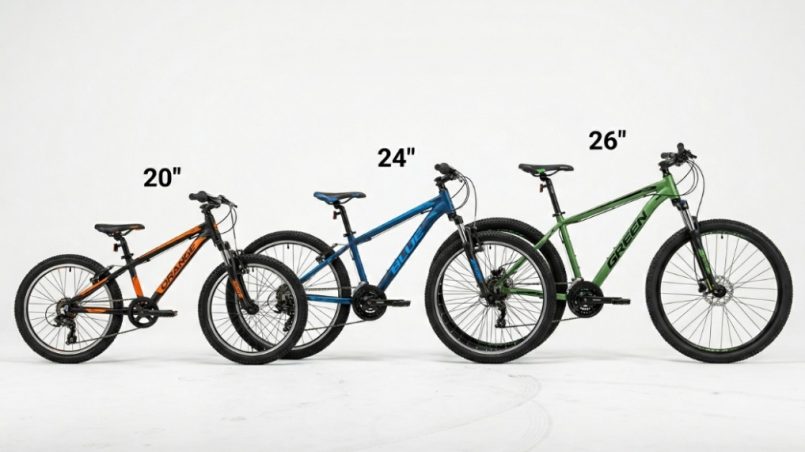
Most riders blame weak legs or poor balance when a mountain bike feels unstable, but the real issue is usually the wrong wheel size — and that’s exactly why the 20 vs 24 vs 26 bike sizes debate matters more than most buyers realize. A bike that’s too large reduces control, slows skill development, and increases crash risk, especially for younger riders and beginners. This bike fit guide explains how 20-inch, 24-inch, and 26-inch mountain bikes differ, who each size is designed for, and how to choose the right fit based on height, inseam, riding style, and terrain.
What Is the Difference Between 20”, 24”, and 26” Mountain Bikes?
The main difference between 20”, 24”, and 26” mountain bikes is wheel size, which directly affects fit, handling, comfort, and rider control.
Smaller wheels are lighter and easier to maneuver, while larger wheels roll faster and handle rough trails better. Choosing the correct bike size improves pedaling efficiency, confidence, braking control, and riding posture.
| Bike Size | Typical Rider Age | Height Range | Best Use |
|---|---|---|---|
| 20-inch | 5–8 years | 3’10”–4’5” | Beginner trails, neighborhood riding |
| 24-inch | 8–12 years | 4’5”–5’0” | Trail riding, skill progression |
| 26-inch | Teenagers & adults | 5’0”+ | Mountain trails, longer rides |
Although wheel size is important, frame geometry, standover height, and inseam measurement matter just as much in a proper bike fit guide.
Which Bike Size Is Best for Kids?
20-inch and 24-inch mountain bikes are usually best for kids because they provide safer handling and better body positioning.
A child riding a bike that is too large often struggles with braking, mounting, and cornering. According to cycling retailers and youth riding programs, proper sizing significantly improves confidence and skill progression.
When Should You Choose a 20-Inch Mountain Bike?
A 20-inch mountain bike is ideal for younger children who are transitioning from training wheels or beginner bikes.
- Best for riders around 3’10” to 4’5” tall
- Usually fits ages 5–8
- Easier steering and lighter handling
- Lower standover height improves safety
- Better for learning braking and shifting
Many 20-inch bikes include front suspension, knobby tires, and lightweight aluminum frames. However, parents should prioritize fit and weight over aggressive-looking features.
When Should You Choose a 24-Inch Mountain Bike?
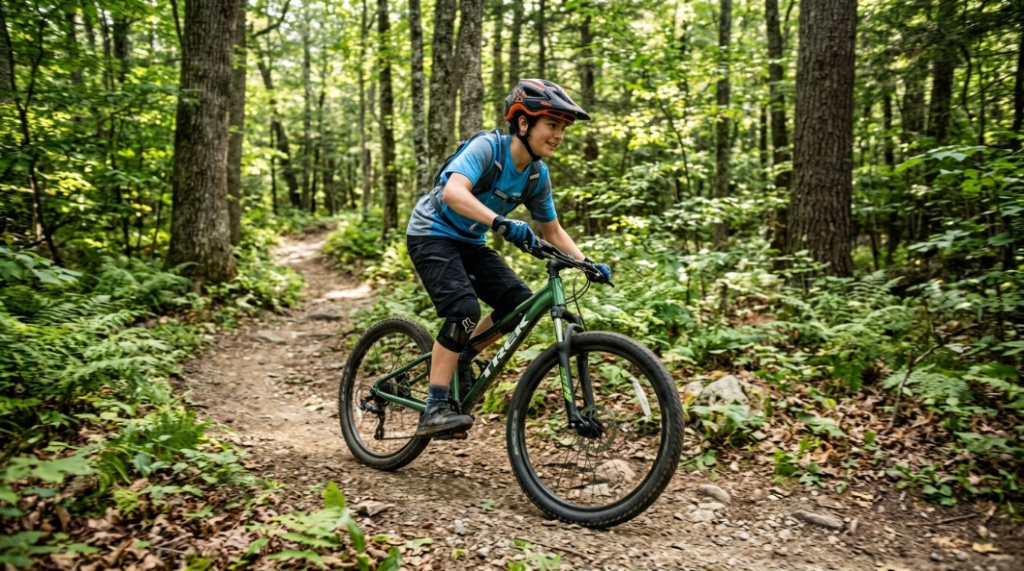
A 24-inch mountain bike works best for older children and pre-teens who are ready for longer rides and rougher terrain.
- Fits riders around 4’5” to 5’0”
- Common for ages 8–12
- More stable on uneven trails
- Supports multiple gears and better suspension
- Helps prepare riders for adult mountain bikes
Many serious youth trail riders skip cheap department-store bikes and move directly into quality 24-inch hardtail mountain bikes from brands like Trek, Specialized, and Giant.
Is a 26-Inch Mountain Bike Too Big for Beginners?
No, a 26-inch mountain bike is not too big for beginners if the rider’s height and inseam support proper fit.
For teenagers and adults over 5 feet tall, a 26-inch bike can provide better rolling speed, smoother obstacle handling, and improved trail performance.
However, beginners often make the mistake of buying oversized frames because they assume larger bikes are faster. In reality, oversized bikes reduce maneuverability and make technical riding harder.
Who Should Ride a 26-Inch Bike?
26-inch mountain bikes are suitable for:
- Teenagers transitioning to adult bikes
- Adult riders with shorter inseams
- Trail riders who prefer nimble handling
- Urban riders mixing pavement and dirt trails
- Budget-conscious buyers seeking used bikes
Although modern mountain biking increasingly favors 27.5-inch and 29-inch wheels, 26-inch bikes remain popular for recreational riding because they are affordable, durable, and highly maneuverable.
How Do You Measure the Correct Mountain Bike Size?
The best way to measure mountain bike fit is by checking rider height, inseam length, and standover clearance.
Wheel size alone does not determine comfort or control. A proper bike fit guide always includes frame geometry and rider proportions.
How to Measure Inseam for a Bike
To measure inseam:
- Stand against a wall barefoot
- Place a book between your legs like a saddle
- Measure from floor to top of the book
- Compare the number with bike size charts
Most riders should have at least 1–2 inches of clearance between the top tube and body while standing.
Why Standover Height Matters
Standover height determines whether a rider can safely stop and dismount.
A bike with excessive standover height increases fall risk during sudden braking or technical trail riding.
This is especially important for children learning mountain biking skills.
What Happens If a Mountain Bike Is Too Small or Too Large?
A mountain bike that is too small feels cramped and unstable, while a bike that is too large reduces control and comfort.
Signs a Bike Is Too Small
- Knees hit handlebars
- Cramped riding posture
- Poor pedaling efficiency
- Limited extension while seated
- Reduced climbing power
Signs a Bike Is Too Large
- Difficulty touching the ground
- Overstretched arms and back
- Poor cornering confidence
- Slow steering response
- Increased crash risk
Professional bike fitters often say control matters more than speed, especially for beginner mountain bikers.
Should You Size Up or Size Down on a Mountain Bike?
Most riders should slightly size down rather than size up if they are between bike sizes.
A slightly smaller mountain bike usually offers:
- Better handling
- More control on technical terrain
- Easier maneuverability
- Safer stopping
Cross-country racers sometimes choose larger frames for efficiency, but beginner and recreational riders usually benefit from smaller, more agile bikes.
How Does Wheel Size Affect Trail Performance?
Wheel size changes acceleration, rollover capability, traction, and maneuverability on trails.
| Wheel Size | Handling | Acceleration | Trail Stability | Best Terrain |
|---|---|---|---|---|
| 20-inch | Very agile | Fast | Lower | Smooth beginner trails |
| 24-inch | Balanced | Moderate | Good | Mixed terrain |
| 26-inch | Stable | Strong | High | Rocky and rough trails |
Smaller wheels react quickly, while larger wheels maintain momentum better over roots and rocks.
Do Larger Wheels Make Mountain Biking Easier?
Larger wheels can make rough terrain easier because they roll over obstacles more efficiently.
However, heavier wheels require more effort to accelerate and turn. That’s why younger riders often feel more comfortable on 20-inch or 24-inch bikes.
Are 26-Inch Mountain Bikes Still Good Today?
Yes, 26-inch mountain bikes are still practical for recreational riders, commuting, and beginner trail riding.
Although the mountain bike industry shifted toward 27.5-inch and 29-inch wheels, many cyclists still prefer 26-inch bikes because they are:
- More affordable
- Easier to maneuver
- Lighter in some cases
- Widely available used
- Ideal for shorter riders
For casual riders, the difference between modern wheel sizes is often less important than proper bike fit and quality components.
What Features Matter Besides Bike Size?
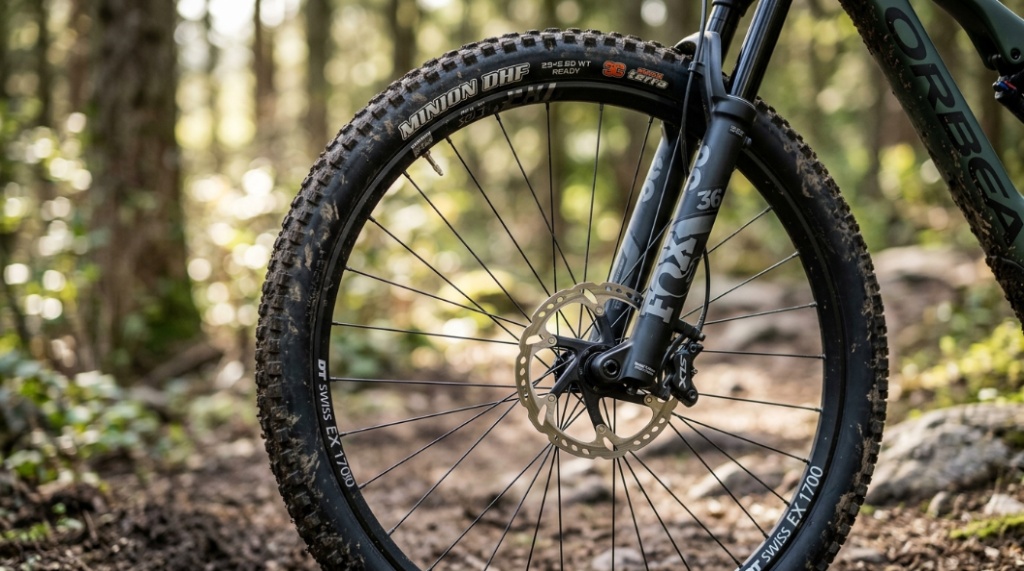
Besides wheel size, suspension, frame material, brakes, and gearing significantly affect mountain bike performance.
Hardtail vs Full Suspension
Hardtail mountain bikes are better for most beginners because they are lighter, simpler, and easier to maintain.
- Hardtail = front suspension only
- Full suspension = front and rear suspension
Most 20-inch and 24-inch youth bikes perform better as lightweight hardtails rather than heavy full-suspension bikes.
Frame Material
Aluminum frames dominate the market because they balance durability, affordability, and low weight.
Steel frames are comfortable but heavier. Carbon fiber is lightweight but expensive.
Disc Brakes vs Rim Brakes
Disc brakes provide stronger stopping power, especially in mud and rain.
Mechanical disc brakes are common on affordable mountain bikes, while hydraulic disc brakes offer smoother braking performance.
What Is the Best Mountain Bike Size for Teenagers?
Most teenagers fit either 24-inch or 26-inch mountain bikes depending on height and inseam length.
Smaller teenagers around 4’8” to 5’0” may still feel comfortable on 24-inch bikes, especially for technical trails. Taller teenagers usually transition well to 26-inch bikes or even modern 27.5-inch frames.
Should a Teenager Skip 24-Inch Bikes?
Not always. Skipping directly to a larger bike can reduce confidence and make riding less enjoyable.
A properly fitted 24-inch mountain bike often performs better than an oversized adult bike.
How Long Can a Child Use Each Bike Size?
Most children use each mountain bike size for around 2–4 years depending on growth rate.
Parents often try buying larger bikes “to grow into,” but this can negatively affect riding safety and skill development.
A correctly sized bike improves:
- Balance
- Confidence
- Braking ability
- Trail handling
- Pedaling efficiency
Many cycling instructors recommend prioritizing current fit rather than future growth.
What Is the Best Bike Fit Guide for Beginners?
The best bike fit guide focuses on comfort, control, and rider confidence rather than aggressive sizing.
Before buying a mountain bike:
- Measure rider height and inseam
- Check standover clearance
- Test handlebar reach
- Ensure comfortable braking position
- Choose lightweight models when possible
Local bike shops often provide professional fitting assistance, which can prevent costly sizing mistakes.
Conclusion
Choosing between 20”, 24”, and 26” mountain bikes comes down to rider height, inseam, experience level, and intended terrain. A properly fitted bike improves control, comfort, safety, and riding enjoyment far more than expensive upgrades or flashy features.
For younger children, 20-inch bikes offer confidence-building control and lightweight handling. Growing riders often benefit most from 24-inch bikes because they balance agility and trail capability. Meanwhile, 26-inch mountain bikes remain a strong choice for teenagers and adults who want stable handling and versatile performance.
The biggest mistake riders make is choosing a bike that is too large in hopes of “growing into it.” A better approach is prioritizing current fit, proper posture, and manageable handling.
Use this bike fit guide as a starting point, compare inseam measurements carefully, and test ride whenever possible. The right bike size transforms mountain biking from frustrating to fun — and helps riders progress faster on every trail.
Frequently Asked Questions
What age is a 20-inch mountain bike for?
A 20-inch mountain bike is generally designed for children aged 5–8 years old who are around 3’10” to 4’5” tall.
Is a 24-inch bike too small for adults?
Yes, for most adults a 24-inch bike is too small, although shorter riders with small inseams may still find certain frames comfortable.
Can a 10-year-old ride a 26-inch bike?
Some taller 10-year-olds can ride 26-inch bikes, but proper inseam fit and standover clearance are more important than age alone.
Are 26-inch mountain bikes outdated?
No, 26-inch mountain bikes are still useful for recreational riding, commuting, and beginner trail use despite newer wheel sizes becoming popular.
How do I know if my mountain bike fits correctly?
A correctly fitted mountain bike allows comfortable pedaling, slight knee bend, easy braking reach, and 1–2 inches of standover clearance.
Should kids ride full-suspension mountain bikes?
Most kids ride better on lightweight hardtail mountain bikes because they are easier to pedal, simpler to maintain, and more efficient.
What is more important: wheel size or frame size?
Frame size is usually more important because it determines riding posture, comfort, and overall bike control.
📌 Related Reads
Discover: How to Build a Complete Skate Safety Gear Setup
Explore: DIY Frame Bag for Bike packing on a Budget: A Step-by-Step Guide