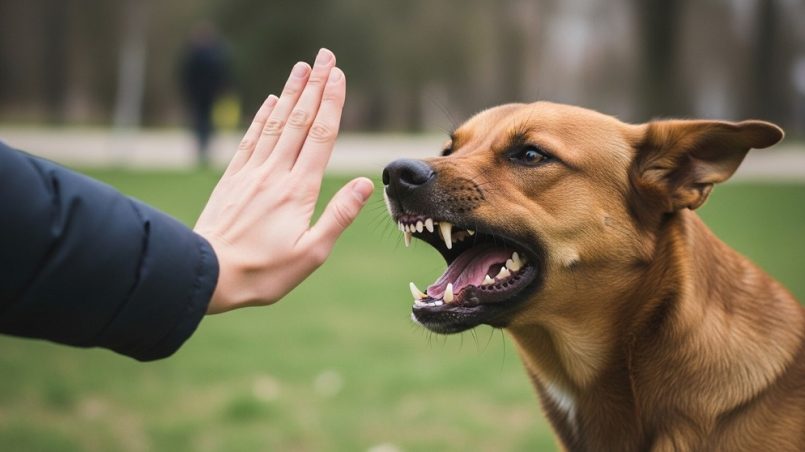
How to protect yourself from dog bites means understanding dog behavior, avoiding risky situations, and knowing exactly what to do before, during, and after a dog encounter to reduce injury risk.
Dog bites are more common than most people think. According to global public health data, tens of millions of people are bitten by dogs every year, and children account for a large percentage of severe injuries. The problem is not just aggressive dogs—it’s lack of awareness. Most bites happen during everyday situations like walking, feeding, playing, or trying to separate dogs.
This guide focuses on dog attack safety using real-world prevention strategies, behavioral science, and documented case studies. You’ll learn how to read warning signs, avoid triggering aggression, defend yourself safely, and respond correctly if a bite occurs.
The goal is simple: fewer injuries, smarter decisions, and calm control in stressful moments.
Why Are Dog Bites a Serious Safety Issue?
Short answer: Dog bites can cause severe physical injury, infection, and long-term psychological trauma.
Dog attacks are not rare accidents. Hospital data from multiple countries shows that dog bites are among the most common injury-related emergency visits. Children under 14 are at the highest risk, especially for facial and neck injuries. Adults are more likely to suffer hand, arm, and leg wounds.
The real danger comes from:
- Deep puncture wounds that damage nerves and muscles
- Infections such as rabies or bacterial complications
- Permanent scarring and mobility issues
- Post-traumatic stress and fear of animals
Understanding these risks is the first step toward prevention.
What Situations Most Commonly Lead to Dog Bites?
Short answer: Most dog bites happen during routine interactions when warning signs are ignored.
Case studies consistently show that bites occur in familiar environments, not random attacks. Common situations include:
- Approaching a dog while it’s eating or sleeping
- Trying to pet an unfamiliar dog without permission
- Interrupting dogs during fights or mating
- Running or cycling past territorial dogs
- Children hugging or climbing on dogs
In over 70% of documented cases, the victim knew the dog. This proves that education and awareness matter more than fear.
How Can You Read Warning Signs Before a Dog Attacks?
Short answer: Dogs usually warn before biting through body language.
Ignoring warning signs is a major cause of bites. Learn these signals:
- Stiff body posture or freezing
- Growling or low rumbling sounds
- Showing teeth or snarling
- Ears pinned back
- Intense staring or whale eye (showing whites of eyes)
A study on canine behavior found that dogs often display multiple warning signs for several seconds before biting. Recognizing these signals gives you time to disengage safely.
How to Protect Yourself From Dog Bites While Walking or Jogging?
Short answer: Stay calm, avoid sudden movements, and control your space.
Outdoor activities increase exposure to unfamiliar dogs. Follow these proven safety steps:
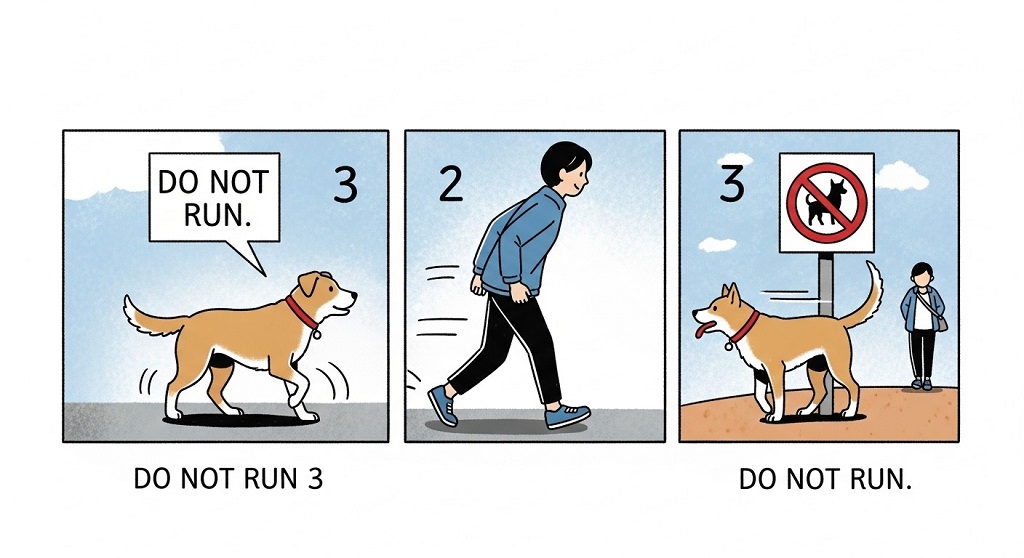
- Do not run if a dog approaches aggressively
- Avoid direct eye contact
- Keep your hands low and still
- Use a firm, calm voice if needed
- Slowly back away without turning your back
Case reports from urban areas show that running triggers chase instincts. Standing still reduces perceived threat.
What Should You Do If a Dog Charges at You?
Short answer: Create a barrier and protect your vital areas.
If a dog charges:
- Place an object (bag, jacket, umbrella) between you and the dog
- Keep elbows tucked and chin down
- Do not scream or swing wildly
- Slowly move toward a safe area if possible
Animal control training manuals emphasize barriers as the most effective non-violent defense.
How Can Children Be Protected From Dog Bites?
Short answer: Education and supervision reduce child bite injuries.
Children often misinterpret dog behavior. Teach them to:
- Never approach dogs without permission
- Avoid hugging or pulling ears and tails
- Stay still like a “tree” if a dog approaches
- Never disturb a dog while eating or sleeping
Pediatric injury studies show supervised interactions reduce bite incidents by over 50%.
How to Protect Yourself From Dog Bites at Home?
Short answer: Respect boundaries and manage environments.
At home, most bites involve family dogs. Preventive steps include:
- Proper socialization and training
- Feeding dogs in quiet areas
- Separating dogs from children when unsupervised
- Addressing fear or aggression early
Behavioral case studies show early training reduces aggression-related incidents significantly.
What Should You Do If You Are Bitten by a Dog?
Short answer: Clean the wound immediately and seek medical care.
After a bite:
- Wash the wound with soap and running water for at least 15 minutes
- Apply antiseptic
- Cover with a clean bandage
- Seek medical attention, especially for deep wounds
Public health data confirms prompt wound care lowers infection risk by up to 80%.
Does Dog Breed Matter in Dog Attack Safety?
Short answer: Behavior and environment matter more than breed.
Studies show that dog bites occur across all breeds. Factors that increase risk include:
- Lack of training
- Poor supervision
- Fear-based responses
- History of neglect or abuse
Focusing on responsible ownership is more effective than breed-based assumptions.
Conclusion: How to Protect Yourself From Dog Bites Starts With Awareness
Dog bites are preventable. Most attacks are not sudden or unpredictable. They happen because warning signs are missed, boundaries are crossed, or panic takes over.
Learning how to protect yourself from dog bites means staying calm, reading behavior, and responding with control instead of fear. Whether you’re walking outside, managing dogs at home, or teaching children safe interaction, these steps reduce risk and improve safety.
CTA: Share this guide with your family, especially parents and dog owners. Awareness saves lives and prevents injuries.
Frequently Asked Questions About Dog Attack Safety
How can I protect myself from dog bites without hurting the dog?
Stay calm, create barriers, and avoid aggressive movements. Most dogs retreat when they no longer feel threatened.
What is the safest position during a dog attack?
Protect your face and neck. Curl into a ball if knocked down, covering ears and head.
Are stray dogs more dangerous than pet dogs?
No. Most bites involve familiar dogs. Risk depends on behavior, not ownership.
Can dogs attack without warning?
Rarely. Most dogs show warning signs that people fail to recognize.
What should parents teach children about dog attack safety?
Teach them not to approach unknown dogs, avoid hugging, and stay still if approached.
Does carrying a stick or spray help prevent dog bites?
Barriers help, but misuse can escalate aggression. Training and awareness are safer.
Related Topics: 5 great business coaching tips
Related Topics: Can a CCTV drain survey miss anything?