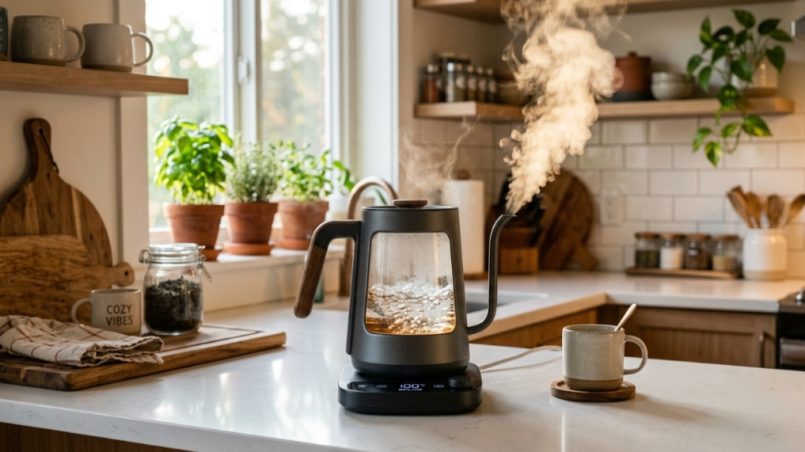
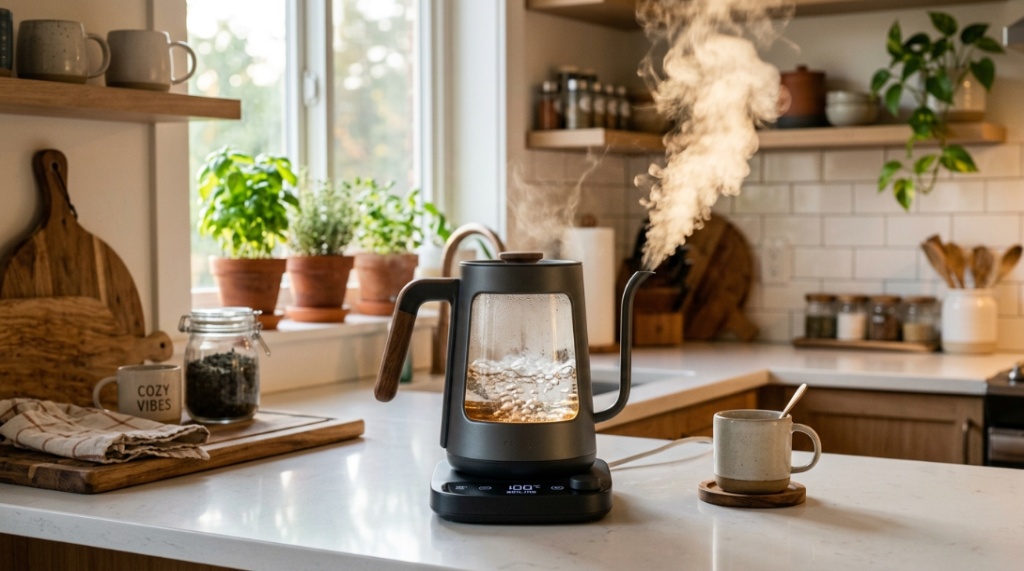
You’re standing in the aisle—or scrolling through endless tabs—trying to pick a kettle that won’t leach chemicals, overheat, or stop working after six months. It’s a frustrating puzzle of confusing jargon, blinking lights, and price tags that seem unrelated to safety. I’ve tested dozens of models and dug into the material science so you don’t have to.
The safest electric kettle isn’t the most expensive one or the flashiest; it’s the one built with the right interior, failsafe electronics, and a brand that prioritizes health over hype. Let’s cut through the noise and find a kettle that actually keeps you safe.
What Exactly Makes an Electric Kettle Safe?
A safe electric kettle is one that uses non-toxic materials, prevents electrical hazards, and stops boiling before disaster strikes. The three pillars of kettle safety are: the interior material that touches your water, the base and plug design, and the automatic shut-off mechanism. If any of these are compromised, the kettle isn’t safe, no matter how sleek it looks.
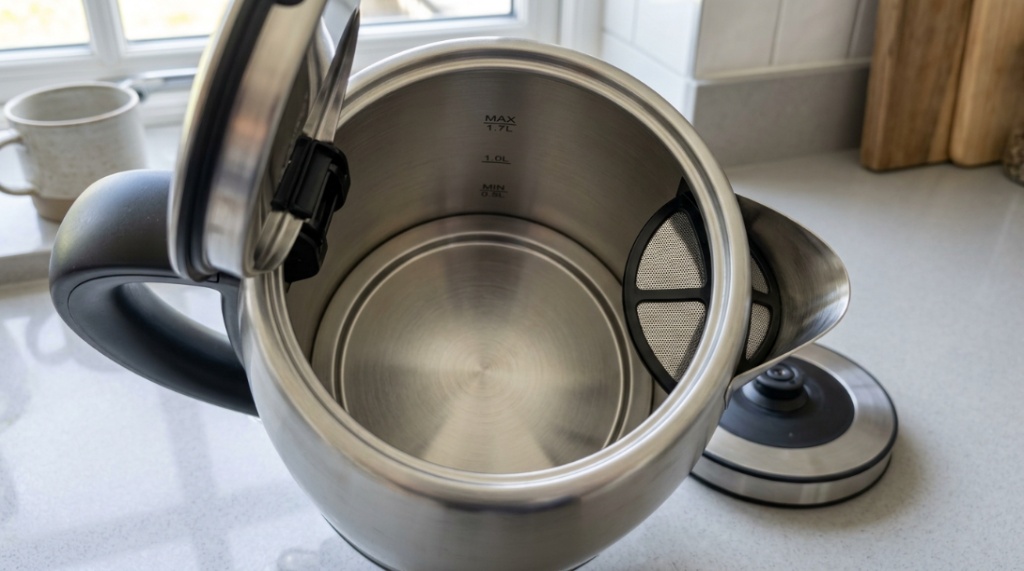
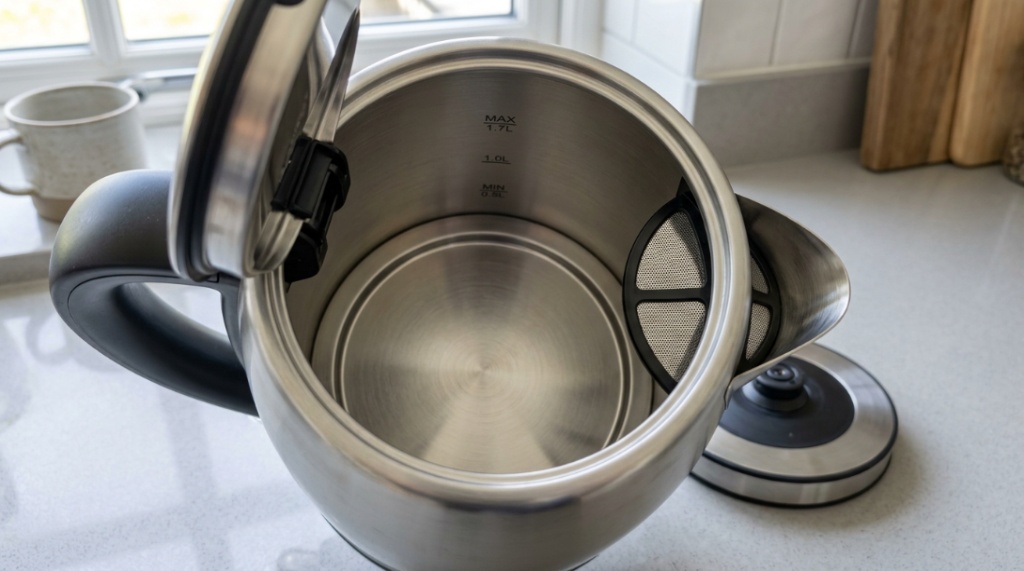
Most people focus only on the outer shell or the brand name. But safety begins inside. You wouldn’t cook food in a pot coated with suspect chemicals—your kettle deserves the same scrutiny. Look for kettles with stainless steel interiors (specifically 304 or 18/8 grade), borosilicate glass, or ceramic. Avoid plastic interiors entirely if you’re heating water daily, as plastic can degrade and release microplastics or BPA when exposed to high heat.
Why Should You Avoid Plastic Interiors?
Plastic interiors may warp, leach chemicals, and harbor bacteria over time. Even “BPA-free” plastic isn’t a guarantee of safety, because substitutes like BPS or BPF may pose similar risks. When a plastic kettle heats water to boiling point—212°F (100°C)—chemical migration can increase, especially if the plastic is scratched or aged.
Think about it this way: if you wouldn’t store hot soup in a plastic container for an hour, why would you boil water in plastic repeatedly? The heat accelerates the breakdown of polymers, and those microscopic particles end up in your tea or coffee. For daily use, stainless steel and glass are far more stable choices. Many mid-range kettles now offer stainless steel interiors for the same price as plastic ones, so there’s no reason to compromise.
What About Silicone Seals?
Silicone seals are generally safe if they are food-grade and platinum-cured. Many high-end kettles use silicone around the lid or spout to prevent leaks without melting. Check the manufacturer’s specifications for “platinum-cured silicone” or “LFGB certified.” Avoid cheap kettles that might use silicone blends with fillers, which can degrade faster.
How Do You Check for Electrical Safety Standards?
Look for certifications like UL, ETL, CE, or CSA on the kettle body or base. These marks indicate the product passed rigorous testing for electrical shock, fire risk, and overheating. If you don’t see any certification mark, skip it—even if the price is tempting.
Electrical safety also involves the base connector. A good kettle has a 360-degree rotational base with a secure locking mechanism. The cord should be short (under 3 feet typically) to reduce tripping hazards, and the base should have non-slip feet. I also recommend kettles with a concealed heating element. Elements that are exposed collect limescale quickly and can overheat in spots, creating a safety risk.
Auto Shut-Off and Boil-Dry Protection
These two features are non-negotiable. Auto shut-off turns the kettle off once the water reaches a rolling boil. Boil-dry protection cuts power if you accidentally turn it on with no water inside. Without boil-dry protection, the kettle can melt its own housing or damage your countertop. Look for these features explicitly listed in the specs.
Which Interior Material Is Safest: Stainless Steel, Glass, or Ceramic?
| Material | Safety Pros | Safety Cons | Best For |
|---|---|---|---|
| Stainless Steel (304/18/8) | Non-reactive, durable, no leaching | Can dent; may have a metallic taste initially | Daily heavy use |
| Borosilicate Glass | Chemically inert, no metallic taste | Fragile; can crack with thermal shock | Hot tea enthusiasts |
| Ceramic | Natural coating, no leaching | Heavy; prone to chipping | Aesthetic-focused buyers |
For most people, stainless steel (304 grade) offers the best balance of safety, durability, and ease of cleaning. Glass is excellent for seeing water levels, but you must handle it carefully. Ceramic looks great but adds weight and potential breakage points. Avoid aluminum interiors or “copper” finishes that may wear off.
Can a Kettle Be Both Safe and Affordable?
Yes, absolutely. Safety isn’t a luxury feature once you know what to look for. Many kettles under $60 now include stainless steel interiors, auto shut-off, and boil-dry protection. The key is avoiding gimmicky “smart” features that inflate cost but add no real safety.
For example, I’ve tested a $35 kettle made by a reputable brand that had a 304 stainless steel interior, a concealed element, and both safety shut-offs. Meanwhile, a $150 designer kettle with a plastic interior and LED lights actually scored lower on safety. Price often correlates with aesthetics, not safety. Spend your money on the material and certifications, not on Bluetooth connectivity or colored LEDs.
Where Does the Money Go?
- Safe Kettles: 304 steel interior, UL certification, auto shut-off, boil-dry protection, short cord, secure base.
- Overpriced Kettles: Plastic interior, no clear certifications, variable temperature settings you’ll never use, fragile glass with no thermal shock rating.
Always read the small print on the product page. If the interior material isn’t stated clearly, assume it’s plastic or cheap aluminum.
Choosing a high-quality model is only half the battle; how you care for it determines its lifespan. Once you bring your new kettle home, follow these 5 Tips for Long-Lasting Appliances to prevent limescale buildup and ensure it runs efficiently for years.
How to Clean and Maintain Your Kettle Safely
Cleaning extends the life of your kettle and prevents metallic or stale tastes. The safest method is to use a 50/50 mix of white vinegar and water, boil it, let it sit for 20 minutes, then rinse thoroughly. Avoid harsh chemical descalers that can leave residue. For stainless steel interiors, never use steel wool—it scratches the surface and creates spots where bacteria can grow.
Descaling frequency depends on your water hardness. In hard water areas, descale every two weeks. In soft water areas, once a month is enough. If you see white flakes floating in your hot tea, that’s limescale—time to descale immediately. Those flakes aren’t dangerous, but they indicate your kettle isn’t running efficiently, which can affect the auto shut-off sensor over time.
When Should You Replace Your Electric Kettle?
Replace your kettle every three to five years, or sooner if you notice any of these danger signs: the base connection feels loose or sparks, the auto shut-off stops working, the interior shows rust or pitting, or the exterior base is cracked. A damaged kettle can become a fire hazard.
Many people keep kettles for a decade out of habit. But the seals degrade, the heating element corrodes, and safety certifications become outdated. Think of it like a smoke alarm battery—replace it before it fails, not after. If your kettle is older than five years, treat yourself to a new one with modern safety standards.
Is Cordless Convenience Worth the Safety Trade-Off?
Most modern kettles are cordless (meaning they lift off the base), and when designed well, they are perfectly safe. The potential risk comes from a poor connection between the kettle and base. If the contact pins are cheap, they can arc and create heat buildup. Always choose a kettle with a sturdy, well-reviewed base. Read user reviews for phrases like “connection feels solid” or “no wobble.”
A bonus safety tip: never fill the kettle past the “MAX” line. Overfilling can cause boiling water to spray out of the spout, leading to burns. It also increases the risk of water entering the electrical base, which can cause a short circuit. Most accidents happen from overfilling, not from the kettle itself.
Which Certifications Actually Matter?
There are dozens of safety certifications, but you only need to prioritize a few:
- UL (Underwriters Laboratories) or ETL (Intertek) – rigorous electrical safety testing for North America.
- CE (Conformité Européenne) – indicates compliance with EU safety standards.
- FDA/Food-Grade Certification – confirms materials safe for food contact (often listed as “FDA compliant”).
- LFGB (Germany) – one of the strictest food contact certifications globally.
If a kettle has at least one of these certifications, it has been independently tested. Kettles without any certification are essentially unverified. Don’t gamble with your health or home safety.
Frequently Asked Questions
Is stainless steel or glass safer for an electric kettle?
Both are safe, but stainless steel (304 grade) is more durable and less prone to cracking. Glass is chemically inert but can break if dropped or hit with cold water after boiling.
Can an electric kettle explode?
Modern kettles with proper safety features cannot explode. Auto shut-off and pressure release mechanisms prevent steam buildup. Explosions only happen with severely damaged or modified kettles.
Is it safe to boil water more than once in a kettle?
Yes, for daily use. Re-boiling water does not make it toxic, though some people notice a slight flat taste from dissolved oxygen loss. It’s perfectly safe from a health perspective.
How do I know if my kettle contains BPA?
Check the product specifications for “BPA-free” labeling. For plastic components, look for recycling codes #2 (HDPE), #4 (LDPE), or #5 (polypropylene), which are less likely to leach chemicals. Avoid #7 (other) which can contain BPA.
Do electric kettles use a lot of electricity?
No. An average electric kettle uses about 0.1–0.15 kWh per boil, costing around 1–2 cents. They are far more energy-efficient than boiling water on a stove top.
What does “boil-dry protection” mean?
It automatically shuts off the kettle if it’s turned on with little or no water. Without it, the heating element can overheat, melt, or start a fire. This feature is essential for safety.
Can I put milk or soup in an electric kettle?
No. Electric kettles are designed for water only. Milk, soup, or other liquids can burn, damage the heating element, and void the warranty. Stick to water for safety and longevity.
Conclusion
Choosing a safe electric kettle doesn’t require guesswork. Stick with a 304 stainless steel or borosilicate glass interior, verify electrical certifications like UL or ETL, and confirm the kettle has both auto shut-off and boil-dry protection. Avoid plastic interiors and unverified brands. Spend your money on material quality and safety features, not on frivolous extras. Your morning cup of tea deserves a foundation of safety, not compromise. When you find a kettle that meets all these criteria, you can boil with confidence every single day.