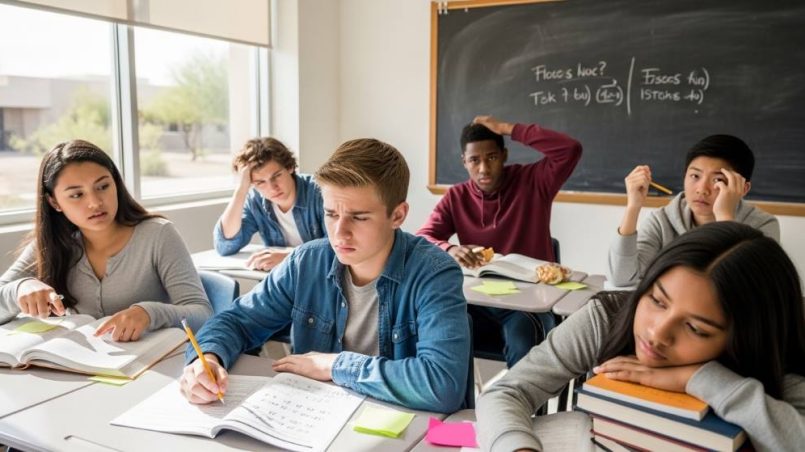
Teen students in Phoenix, Arizona often begin each semester with good intentions, yet many repeat the same academic mistakes before finals arrive. According to the National Center for Education Statistics, nearly 70% of students struggle with consistent study habits during the school year. In addition, studies show that stress and poor planning reduce learning retention by almost 40%. Many families now encourage better student exam review and analysis methods because students need stronger systems instead of temporary motivation. Phoenix teenagers face unique academic and environmental pressures that influence how they study, manage time, and prepare for exams every semester.
The Fast-Paced Lifestyle of Phoenix Teens
Phoenix students often juggle school, sports, part-time jobs, and long commutes across the city. As a result, many teens rush through homework without fully understanding the material. Busy schedules also reduce sleep quality, which weakens memory and concentration during class. Consequently, students fall into repeated patterns of last-minute studying and incomplete preparation.
The rapid growth of Phoenix neighborhoods has also changed how students interact with education. Many schools now rely heavily on digital tools, yet students rarely learn how to use them effectively for learning improvement. Parents who explore how is data used in modern schools often discover that student behavior patterns reveal poor consistency more than poor intelligence. Teenagers may complete assignments online, but they still struggle with focus and retention. Therefore, technology sometimes becomes a distraction instead of a support system.
Many Phoenix teens also spend long hours indoors because of extreme summer temperatures. Although indoor study sounds productive, isolation often increases screen addiction and procrastination. Students frequently switch between homework, gaming, and social media without noticing how much time disappears. Eventually, this habit trains the brain to avoid deep concentration during study sessions.
Why Students Repeat the Same Academic Errors
Lack of Reflection After Exams
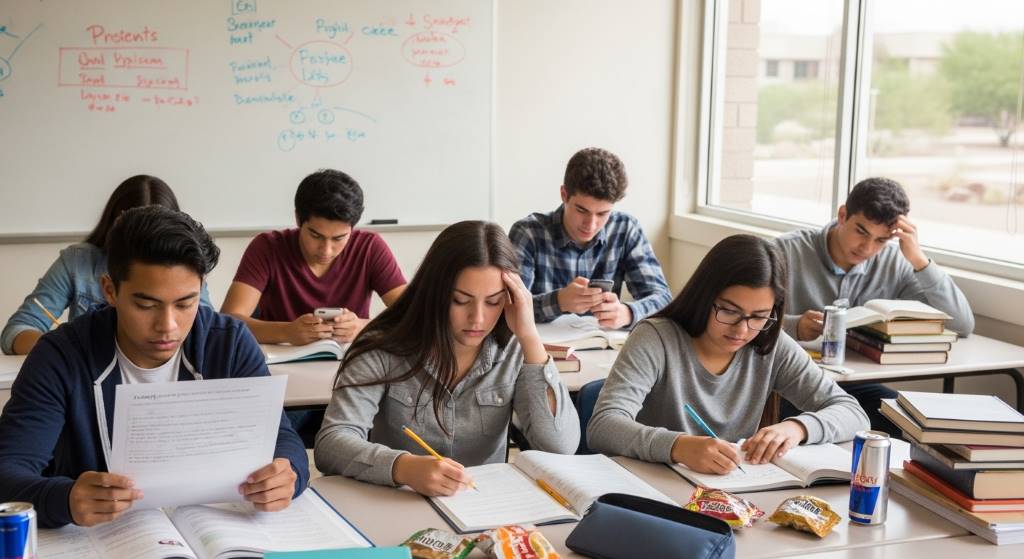
Most teenagers review grades quickly and then move on without analyzing mistakes. They rarely ask why they missed questions or misunderstood concepts during tests. Because of this, the same weak areas continue into the next semester. Reflection remains one of the least practiced but most valuable academic habits among teens.
Teachers in Phoenix schools often notice that students focus more on scores than learning patterns. A student may feel relieved after passing an exam even if the study method failed. Consequently, poor habits stay unchanged because short-term results seem acceptable. Over time, this creates repeated academic frustration despite consistent effort.
Dependence on Short-Term Memory
Many teens rely on cramming because it provides quick results before exams. However, short-term memorization fades quickly after testing ends. Students then struggle to connect old lessons with new concepts later in the semester. This cycle becomes especially harmful in subjects like math, science, and language arts.
Phoenix students often underestimate the importance of spaced repetition and active recall. They may reread notes several times without testing themselves properly. Although rereading feels productive, it creates false confidence instead of true understanding. Therefore, students repeat the same preparation mistakes every grading period.
The Hidden Role of Phoenix Climate in Study Habits
The desert climate in Phoenix quietly affects academic performance more than many families realize. During summer and early fall, temperatures often exceed 100 degrees Fahrenheit for weeks. Excessive heat can reduce energy levels, increase irritability, and weaken concentration during after-school study hours. As a result, students avoid mentally demanding tasks and choose easier distractions instead.
Hydration also plays a major role in learning performance across Arizona schools. Many teenagers drink sugary beverages instead of water during long school days. Even mild dehydration can reduce attention span and memory recall during lessons. Consequently, students may think they lack ability when their physical habits actually reduce performance.
Another overlooked issue involves seasonal exhaustion from indoor air-conditioned environments. Students move constantly between hot outdoor temperatures and cold indoor classrooms or homes. This adjustment often causes fatigue, headaches, and low motivation throughout the semester. Therefore, physical discomfort silently contributes to repeated study mistakes among teenagers.
Social Pressure and Academic Comparison
Teen students in Phoenix frequently compare themselves to classmates on social media and at school events. This comparison creates pressure to appear naturally smart without showing effort. As a result, many students avoid asking questions because they fear embarrassment. Eventually, confusion builds silently until exams expose major learning gaps.
Some teenagers also follow unrealistic academic advice from online influencers. They copy trendy study routines that look attractive but fail in real situations. Students may purchase fancy supplies or strict schedules without understanding their own learning style. Therefore, they repeat ineffective systems every semester while expecting different results.
Future college pressure increases these problems during high school years. Many families focus heavily on grades, university admission, and scholarship competition. Students researching entry requirements for a university degree often become overwhelmed before creating healthy learning habits. Anxiety then pushes students toward shortcuts instead of sustainable study routines. Consequently, academic stress grows stronger with each semester.
Common Study Mistakes Phoenix Teens Keep Repeating
- Studying only before exams instead of reviewing daily lessons.
- Using phones during homework sessions without boundaries.
- Skipping sleep to finish assignments late at night.
- Avoiding difficult subjects until deadlines become urgent.
- Relying on passive reading instead of active practice.
- Ignoring teacher feedback after quizzes and tests.
- Studying in noisy or distracting environments.
These mistakes seem small individually, but they create serious academic problems over time. Students often believe intelligence alone determines success in school. However, consistent routines usually matter more than natural ability. Therefore, improving habits can dramatically change long-term performance.
The Rarely Discussed Impact of Decision Fatigue
One uncommon but very real issue among Phoenix teenagers is decision fatigue. Students make hundreds of small choices every day about assignments, schedules, friendships, and activities. By evening, mental energy drops significantly, which weakens focus during study sessions. Consequently, students choose easier tasks instead of challenging academic work.
Many teens also waste energy deciding how to study instead of simply starting. They spend time organizing desks, changing playlists, or searching for motivation online. Although these actions feel productive, they delay actual learning. Over time, students repeat this behavior until procrastination becomes automatic.
Phoenix students who attend competitive schools may experience even higher mental exhaustion. They often participate in sports, clubs, and advanced classes simultaneously. Because of constant pressure, the brain begins avoiding effort-heavy activities after school hours. Therefore, students unknowingly develop habits that damage academic consistency every semester.
How Parents and Teachers Can Help
Parents should encourage structured routines instead of focusing only on grades. Simple habits like regular sleep schedules and quiet study spaces improve concentration significantly. In addition, open communication helps teenagers discuss academic struggles without fear of judgment. Supportive environments often reduce repeated learning mistakes quickly.
Teachers can also guide students toward better self-awareness after tests and assignments. Instead of discussing only correct answers, educators should explain why mistakes happen repeatedly. This approach helps students recognize patterns in attention, preparation, and time management. Consequently, teenagers become more responsible for their learning process.
Schools across Phoenix can benefit from more experiential learning opportunities as well. Programs involving outdoor projects, museums, and local exploration increase engagement among students who dislike traditional classroom methods. Research connected to how school trips can aid education shows that interactive experiences improve memory retention and participation. Therefore, practical learning environments may reduce repeated academic disengagement.
Better Study Strategies for Phoenix Teen Students
Create Short Daily Review Sessions
Students should review class material for 20 to 30 minutes daily instead of cramming weekly. Short review sessions strengthen long-term memory more effectively than marathon study nights. In addition, consistent practice lowers anxiety before major exams. This simple adjustment can improve both grades and confidence.
Use Climate-Friendly Study Habits
Phoenix teens should schedule demanding study tasks during cooler evening or early morning hours. They should also drink enough water and take short movement breaks during study sessions. Comfortable room temperatures help maintain focus for longer periods. Therefore, physical conditions can directly support better academic performance.
Limit Digital Distractions
Students need clear phone boundaries while studying at home. Turning off notifications or placing devices outside the room improves concentration quickly. Many teens feel uncomfortable without constant digital access at first. However, focus becomes easier after consistent practice.
Track Mistakes Instead of Hiding Them
Keeping a notebook of repeated mistakes helps students recognize weak patterns early. They can write down missed concepts, careless errors, and difficult topics after each test. This habit transforms failure into useful academic information. As a result, students develop stronger problem-solving skills every semester.
Building Long-Term Academic Confidence
Confidence grows from preparation and consistency rather than temporary motivation. Teen students in Phoenix often expect instant improvement after changing habits for only a few days. However, meaningful academic progress usually develops slowly across months of practice. Therefore, patience remains essential during the learning process.
Students should also celebrate small improvements instead of waiting for perfect grades. Better organization, stronger focus, and fewer missed assignments all represent real progress. These small wins build momentum and reduce negative thinking around schoolwork. Eventually, positive habits become part of daily life instead of forced routines.
Families, teachers, and students must work together to break repeated academic cycles. Phoenix teenagers face modern distractions and environmental challenges that older generations never experienced. Still, practical routines and honest reflection can dramatically improve learning outcomes. Students who start changing their habits now will enter future academic and career opportunities with greater confidence and resilience.
Conclusion
Teen students in Phoenix, AZ repeat study mistakes every semester because habits, stress, climate, and digital distractions quietly shape daily behavior. Fortunately, students can improve academic performance by building consistent routines, reflecting after exams, and reducing procrastination. Parents and educators should encourage healthy learning systems instead of focusing only on grades. Students who understand how school trips can support learning engagement may also discover new ways to stay motivated academically. Start applying these strategies today to build stronger study habits and create lasting success throughout high school and beyond.
FAQs
Why do teenagers repeat the same study mistakes?
Most teenagers repeat study mistakes because they rarely analyze failed habits after exams.
How does Phoenix weather affect student learning?
Extreme heat and dehydration can reduce concentration, energy, and memory retention.
What is the biggest study mistake among teens?
Cramming before exams instead of reviewing lessons consistently remains the biggest mistake.
Can social media hurt academic performance?
Yes, excessive social media use weakens focus and increases procrastination during study time.
What helps students improve study habits quickly?
Daily review sessions, proper sleep, and distraction-free study spaces improve habits effectively.
