Finding a genuinely top-rated BMX bike in California can feel overwhelming, especially with the sheer volume of options flooding the market. You’re likely looking for a bike that can handle everything from concrete skate parks in San Diego to dirt trails near Sacramento, without sacrificing durability or long-term performance. The challenge is that “top-rated” often means different things depending on your riding style, your budget, and whether you plan to race or ride freestyle. This guide cuts through the hype, offering a practical, decision-focused approach to selecting a bike that truly performs on California’s diverse terrain, all while balancing quality, cost, and rider-specific needs. You will learn exactly what separates a high-quality BMX from a disposable one and how to make a smart investment you won’t regret.
Key Takeaways
- Start with your discipline: The best BMX bike depends primarily on whether you’re racing, riding street, or hitting the park; different frames and geometries suit each discipline.
- Prioritize frame material and geometry: Chromoly steel frames are lighter and more durable than hi-ten steel, making them a top priority for serious riders across California.
- Don’t overlook the drivetrain and brakes: Sealed bearings and reliable braking systems are non-negotiable for withstanding California’s varied riding environments.
- Fit matters more than hype: A correctly sized bike with a proper top tube length ensures better control and comfort, reducing the risk of injury and improving progression.
- Consider local conditions: From coastal humidity to inland heat, your bike’s components should be chosen to resist corrosion and perform under specific California climate conditions.
Why “Top-Rated” Is Subjective in California
Before diving into specific models, it’s crucial to understand that the quintessential “top-rated BMX bike” doesn’t exist as a single product. The title depends entirely on the rider’s intention. In California, we have a unique intersection of riding cultures: the street riders of San Francisco, the park shredders of Los Angeles, and the dirt racers in NorCal. Each discipline demands different characteristics from a frame, forks, and geometry. A bike praised for its maneuverability in a skatepark may be too twitchy for high-speed racing. Therefore, your personal riding style is the primary filter when evaluating any bike. It is more effective to look for the best bike for your specific discipline rather than searching for a one-size-fits-all “top-rated” model, To find the right fit for off-road trails and varied terrain after hitting the skatepark, check out our guide on how to Between 20”, 24”, and 26” Mountain Bikes.
When you begin your research, you’ll notice that reviews often focus on complete bikes. A complete BMX is the entire package—frame, fork, bars, wheels, and brakes—ready to ride out of the box. For many riders, this is the most economical path. However, there is a significant difference in component quality between entry-level and professional-grade completes. The list of top-rated BMX bikes California consistently highlights models with full chromoly frames and sealed bearings because these are the components that fail first on cheaper bikes. Investing in a bike with these features from the start helps avoid costly upgrades and repairs down the road.
Defining “Top-Rated” Features
To make an informed decision, you must understand the core components that elevate a bike from basic to top-tier. The distinction lies in the materials and level of finishing of the parts. While branding plays a role, the underlying specifications matter far more. The following is a breakdown of the critical features that distinguish a high-quality BMX bike.
Frame Material and Construction
The frame is the soul of the bike. The two primary materials you will encounter are Hi-Ten (high-tensile steel) and Chromoly (chromium-molybdenum steel). Hi-Ten is heavier and less durable, often found on entry-level bikes. Chromoly is lighter, stronger, and offers better fatigue resistance, meaning it won’t snap after repeated hard landings. For any rider looking for a long-term companion, a full chromoly frame is the gold standard. Also, pay attention to the welds; smooth, clean welds are a sign of quality manufacturing, which directly impacts frame integrity and lifespan.
Drivetrain and Bearings
The drivetrain (cranks, chainwheel, and chain) transfers your pedaling power to the wheels. Look for 3-piece tubular chromoly cranks, as these are significantly stronger than the cheaper 1-piece or 2-piece designs. Equally important are the bearings. “Sealed bearings” are housed in cartridges that keep out dirt and moisture, which is ideal for California’s varied conditions, from dusty trails to damp coastal air. Unsealed loose-ball bearings are a sign of a budget bike that will require frequent maintenance and won’t perform consistently.
Wheels, Tires, and Brakes
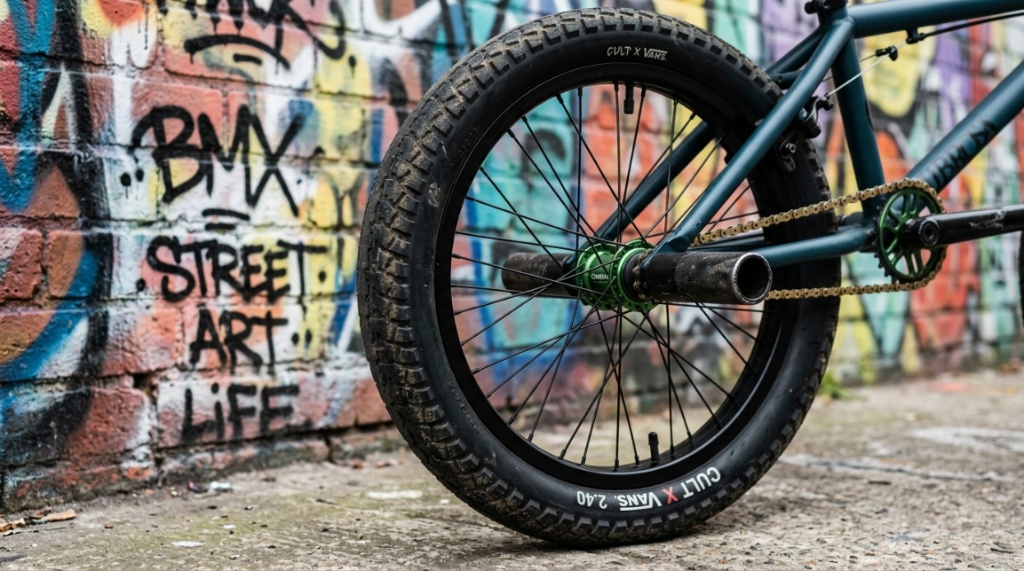
Wheels need strong rims and reliable hubs. Double-wall rims offer greater durability for impacts compared to single-wall rims. For tires, the choice depends on your terrain. Street riders often prefer slicker tires for park surfaces, while dirt riders need knobby tires for traction. For brakes, you have options including U-brakes for the rear and V-brakes for the front. For park riding, many riders opt for a brake-less setup to avoid snagging on rails, but having brakes is safer for street riding and commuting. The choice is yours, but understand the implications for safety and regulation in your local parks.
Match the Bike to the California Terrain
California offers a vast playground, and your local spot should influence your purchase. Consider how the bike’s strengths align with the environment you ride in most frequently. A bike that excels at the pump track in Norco might be less suitable for the street ledges in Orange County.
Street and Park Riding
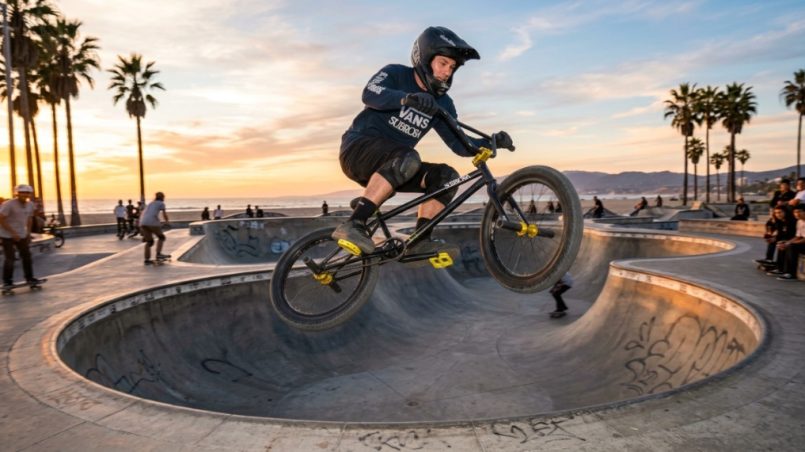
For street riders tackling rails, ledges, and gaps, maneuverability and a strong frame are paramount. A shorter top tube and higher handlebars allow for easier bar spins and whips. In parks, you need a bike that can absorb the impact of transition riding and big airs. Look for a top tube length between 20.5″ and 21″ for most adult riders. A full chromoly frame is essential here because the constant impact stress will destroy a hi-ten frame quickly. Tires with a smoother center tread will roll faster on concrete and wooden ramps.
Dirt Jumping and Racing
Dirt jumpers require a heavier, more stable bike. A slightly longer top tube provides stability at speed. For racing on BMX tracks, you’ll want a bike that accelerates quickly and is stiff. This means a responsive frame and high-volume tires for traction out of the starting gate. Racing frames often have steeper geometry and shorter chainstays for quick acceleration. Riders in California who frequent tracks like the Olympic Training Center in Chula Vista will want a race-specific bike, which will differ significantly from a park bike.
How to Match a Bike to Your Skill Level
Your experience level plays a crucial role in determining the best bike for you. Buying a professional-level bike as a beginner is often counterproductive and can hinder progression. Conversely, an experienced rider will quickly outgrow a beginner bike’s limitations. Here’s a practical breakdown of what to look for based on where you are in your riding journey.
Entry-Level (Under $400)
This price range is for those just starting. Bikes here are typically full hi-ten steel and heavier. They are suitable for learning the basics, cruising, and light jumping. Be prepared to upgrade components like the cranks and brakes later. While not “top-rated” in terms of professional longevity, they are an accessible entry point to the sport. They are also perfectly fine for a casual rider who only bikes occasionally on flat paths or to a local park.
Mid-Range ($400 – $700)
This is the sweet spot for most serious riders. You’ll start to find bikes with full chromoly frames, sealed bearings, and better aftermarket parts. These bikes are significantly lighter and more durable than entry-level models. They can withstand the abuse of weekly park sessions and are built to last. When looking for a top-rated bike in this range, prioritize models that mention “Full Chromoly” and “Sealed” in their specifications.
Pro/Race Level (Over $700)
These bikes are for the dedicated competitor or high-level enthusiast. They use the lightest, strongest materials and the most advanced frame geometry. Components are premium from brands like Odyssey, Cult, and Sunday. These bikes are built to win races and handle the most extreme street and park riding. While they are an investment, the performance gain and weight reduction are significant. You are paying for precision and durability that minimize mechanical hesitations during a ride.
Why Local Shops and Community Matter
In the digital age, the draw to buy online is strong, but the value of a local BMX shop in California cannot be overstated. They provide an opportunity to sit on bikes, check the fit, and get professional advice tailored to your local riding spots. Furthermore, they often sponsor local events and have mechanics who are experts in BMX-specific maintenance. Building a relationship with a shop is a long-term investment in your riding. They can help you choose the right parts when you decide to upgrade and can provide warranty support with ease. Also, they are a hub for the local riding community, informing you about group rides and the best hidden spots in your area—information that is hard to find online.
Before making a purchase, consider visiting a shop just to test-ride a few different frame sizes and handlebar heights. Comfort is subjective, and manufacturer size charts only provide a starting point. The feeling of the bike underneath you—the reach, the standover height—cannot be assessed through a screen. This tactile experience is critical for choosing a bike that you will ride confidently and comfortably for years.
Important Questions to Ask Before You Buy
Arming yourself with targeted questions can save you from a mismatch purchase. Here are a few to keep in mind:
- Is the frame full chromoly? If yes, it’s a good sign. If not, understand what grade of steel was used and its trade-offs.
- Are the hubs/headset/bottom bracket sealed? This is crucial for reducing maintenance and ensuring performance in dirty and dusty conditions.
- What are the cranks? Look for a 3-piece design. Avoid 1-piece cranks on any bike intended for jumping.
- What is the weight limit? This is often overlooked but very important for larger riders. Fewer bikes are advertised with a limit, but quality wheels and frames have a max in mind.
- Can I change the gearing easily? For racing, gear ratio is crucial. Make sure the rear hub is a flip-flop or that the chainring size is standard and easy to swap.
Conclusion
Selecting the right BMX bike for California’s diverse landscape is about aligning your personal riding style with the machine’s capabilities. The golden rule is to prioritize a full chromoly frame and sealed components over trendy colors or graphics. These fundamental features ensure durability, performance, and longevity, giving you the best value for your money. Remember to evaluate your skill level honestly and choose a bike that fits your local terrain, whether that’s the concrete of LA or the tracks of NorCal. Don’t be afraid to consult local experts and take your time. A decision made with careful consideration will lead to more hours of fun, progression, and a bike that you can rely on. Go ahead, do your research, ride hard, and enjoy the unique riding culture that only California can offer.
Frequently Asked Questions
What is the best wheel size for an adult BMX bike?
Adult BMX bikes typically use 20-inch wheels, which is the standard size for racing and park riding. However, “big wheel” cruisers with 24-inch or 26-inch wheels are available for taller riders or for those who prefer a more comfortable ride on dirt trails. The 20-inch is the most versatile and offers the most maneuverability for trick riding.
How do I choose the right top tube length?
Your top tube length is critical for comfort and control. On a 20-inch wheel bike, riders 5’6” to 5’10” typically fit a 20.5-inch top tube, while riders 5’10” to 6’1” often prefer a 20.75” to 21”. These are general guidelines. The best way to know is to stand over the bike and have someone measure the distance from your hip to your hands on the grips. Test rides are always recommended.
Are more expensive BMX bikes worth the cost?
Yes, for serious riders. The higher cost reflects superior materials like chromoly steel, which significantly reduces weight and increases strength. It also includes sealed bearings that last longer and require less maintenance. If you are riding regularly and pushing your limits, the investment is justified by increased performance and lower long-term replacement costs.
Is it better to buy a complete bike or build one from scratch?
For 95% of riders, a high-quality complete bike is the better value. Completed bikes from reputable brands are well-equipped and offer the same frame and forks as custom builds. Building a bike from scratch is significantly more expensive and is generally reserved for riders who have very specific component preferences or who are replacing a broken frame.
Can I use a BMX bike for commuting on California roads?
Absolutely. BMX bikes are durable and nimble, making them great for short urban commutes. However, they are not the most efficient for long distances. You can increase comfort by adding a front brake for safety and potentially swapping the knobby tires for slicker ones to reduce rolling resistance, which makes for a much smoother ride on asphalt.