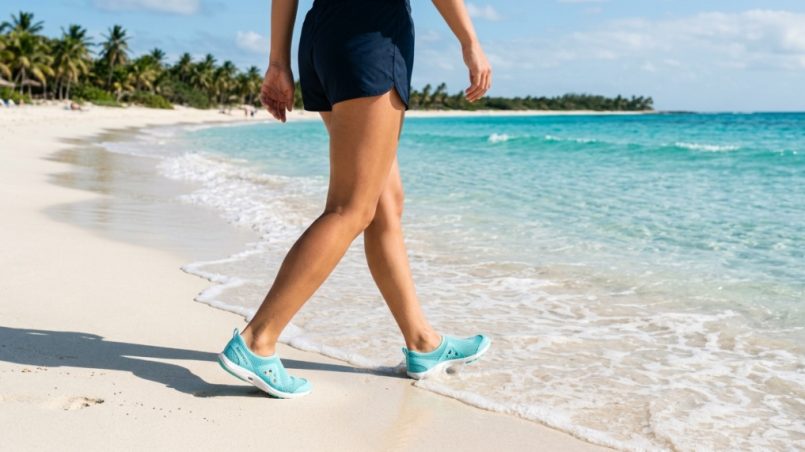
You have packed your sunscreen, your towel, and your favorite swim trunks. You step onto the scorching sand, and within three seconds, you are doing an awkward hot-foot dance toward the water. By the time you reach the shore, small pebbles and shell fragments have lodged themselves between your toes. This is exactly why you need quick dry water socks beach socks.
These lightweight, breathable foot coverings solve the classic beach day dilemma: protecting your feet from hot sand, sharp rocks, and slippery surfaces without holding onto water for hours. Whether you are hiking a coastal trail, paddleboarding across a lake, or simply building sandcastles, choosing the right pair makes the difference between a comfortable adventure and a blistered nightmare.
What Are Quick Dry Water Socks and Why Do You Need Them?
Quick dry water socks are lightweight, snug-fitting foot coverings designed specifically for use in wet environments. Unlike regular cotton socks that soak up water like a sponge and stay wet for hours, these socks use synthetic materials that shed moisture rapidly. The primary function is to protect your feet while allowing water to drain out quickly. You need them because wet feet lead to blisters, soggy shoes lead to discomfort, and unprotected feet lead to injuries from sharp objects. A good pair converts your beach experience from reactive foot protection into proactive foot freedom.
How They Differ from Regular Socks
Regular cotton socks absorb water, stretch out of shape, and take forever to dry. Water socks hug your foot snugly, drain water through mesh panels, and dry in roughly twenty to thirty minutes in the sun. They also provide a thin rubber sole for grip, whereas a regular sock offers zero traction on wet surfaces.
Who Benefits Most from Water Socks
- Beachgoers tired of burned soles on hot sand
- Snorkelers and divers needing foot protection from coral
- Kayakers and paddleboarders on slippery launches
- Hikers crossing stream beds and rocky shorelines
- Travelers who hate packing wet, smelly shoes
How Do Quick Dry Water Socks Actually Dry So Fast?
The drying speed comes down to material science and construction. Most quick dry water socks are made from neoprene, nylon, spandex, or polyester blends. These synthetic fibers repel water rather than absorb it. When you pull the sock off after a swim, the water sits on the surface instead of soaking into the fiber. Gravity and movement push that water out through mesh drainage holes. Air circulation does the rest. A sock made with 3mm neoprene can dry in direct sunlight within twenty minutes, while a cotton sock would stay damp for hours.
The Role of Mesh Panels
Manufacturers strategically place mesh panels on the top or sides of the sock. These panels allow water to escape while keeping sand and small debris out. More mesh equals faster drying but less durability. Less mesh equals more durability but slower drying. The best designs balance these two needs.
Why Quick Drying Matters for Travel
Packing damp gear into a suitcase creates mold and mildew problems. A pair of quick dry socks can be washed in a hotel sink, wrung out, and hung on a shower rod. By morning, they are ready to wear again. This is why seasoned travelers prioritize quick drying features over everything else.
What Materials Should You Look For in Beach Socks?
Look for neoprene for insulation and durability, nylon for lightweight strength, and spandex for stretch and fit. Neoprene water socks provide the best protection against sharp rocks and cold water, but they are slower to dry. Nylon and spandex blends are thinner, more breathable, and dry faster, but offer less impact protection. For most beach days, a 2mm to 3mm neoprene blend works best because it balances protection with drying speed. Avoid cotton, wool, or any natural fiber that absorbs moisture.
| Material | Drying Speed | Protection Level | Best Use Case |
|---|---|---|---|
| Neoprene (2-3mm) | Moderate | High | Rocky beaches, snorkeling, cold water |
| Nylon blend | Fast | Medium | Hot sand, pool use, light walking |
| Spandex with rubber sole | Very fast | Low | Sand play, casual beach lounging |
| Polyester mesh | Fastest | Low | Watersports, rapid drying needed |
Which Features Separate Good Water Socks from Bad Ones?
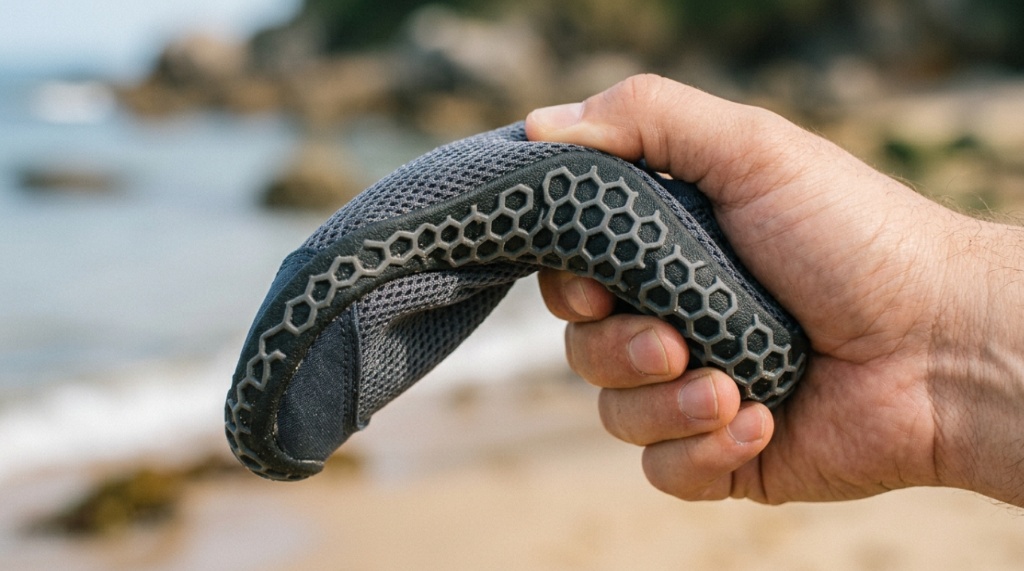
A good water sock stays on your foot, protects without restricting movement, and dries before you leave the beach. The features that matter most include a reinforced toe cap, a non-slip rubber sole, an adjustable ankle strap, and drainage holes. The toe cap prevents tears when you kick against rocks. The rubber sole gives you traction on wet boat docks and slippery rocks. The ankle strap stops sand from entering. Drainage holes allow water to exit instead of sloshing around inside. Avoid socks with flat, smooth bottoms or flimsy seams that split after a few wears.
Signs of Poor Construction
- Seams that feel rough against your skin
- Thin soles that offer no puncture resistance
- Elastic that loses stretch after three wears
- No drainage holes or mesh panels
- Sizing that runs large or small without consistency
Signs of Quality Construction
- Reinforced stitching at high-stress points
- Textured rubber sole with tread pattern
- Flatlock seams to prevent chafing
- Quick-release ankle strap or drawcord
- UV-resistant fabric that won’t fade
How Should Quick Dry Water Socks Fit Your Feet?
Water socks should fit snugly, like a second skin, with no excess fabric bunching at the toes or heel. If you can pinch more than a quarter inch of material at the toe, the sock is too large. If your toes press against the end, it is too small. A snug fit prevents the sock from slipping off in the water while still allowing full toe movement for gripping surfaces. Most brands recommend ordering the same size as your regular shoe size, but check the brand’s specific sizing chart because neoprene stretches slightly when wet.
How to Test Fit Before Buying
Wear the socks with the thinnest foot covering you plan to use underneath, typically barefoot. Walk around on a hard surface. Your heel should not lift when you step. Your toes should not jam forward when you bend your foot. If the sock gapes at the ankle, sand will get inside.
Common Fit Mistakes
Buying socks that are too large because you think they will shrink. They will not. Buying socks that are too tight because you think neoprene stretches significantly. It stretches only slightly. Ignoring width considerations if you have wide feet, which leads to restricted circulation.
Can You Wear Water Socks for Activities Beyond the Beach?
Yes, and many people do. Water socks work well for kayaking, paddleboarding, canoeing, river hiking, and even light yoga on the beach. The same features that protect your feet from hot sand also protect against hot deck surfaces and sharp underwater objects. Some travelers use them as liner socks inside dive boots or as shower shoes in hostel bathrooms. The versatility makes them a smart packing item for any trip involving water.
Activities Where Water Socks Excel
- Snorkeling: Protects feet from coral cuts and sea urchins.
- Kayaking: Provides grip on wet foot pedals and prevents slipping.
- River hiking: Keeps feet safe from sharp rocks in streambeds.
- Beach volleyball: Offers better grip than bare feet on sand.
- Camping showers: Acts as a barrier against dirty shower floors.
Where Water Socks Fall Short
They are not suitable for long-distance hiking on hard trails because the thin soles do not provide enough support or cushioning. For that, you need proper hiking shoes. They also lack insulation for cold water beyond about 60 degrees Fahrenheit unless you choose a thicker neoprene version.
How to Care for Quick Dry Water Socks to Make Them Last
Rinse your socks with fresh water after every use in salt water or chlorinated pools. Salt crystals form sharp edges that cut fibers over time. Chlorine degrades neoprene. Wash them gently with mild soap and air dry away from direct heat sources like radiators or campfires. Never put them in a washing machine or dryer. The agitation damages the seams and the heat causes neoprene to crack. With proper care, a quality pair lasts between one and two years of regular beach use.
Step-by-Step Cleaning Routine
- Rinse thoroughly with fresh water immediately after use.
- Turn the socks inside out to release trapped sand.
- Hand wash with a drop of gentle soap, rubbing soiled areas lightly.
- Rinse again until all soap is gone.
- Squeeze out excess water, do not wring.
- Lay flat or hang in the shade to dry.
Storage Tips
- Store flat rather than folded to prevent crease damage.
- Keep away from direct UV light for long periods.
- Do not store while damp to prevent mildew growth.
- Keep separate from items with Velcro that can snag the fabric.
When Should You Replace Your Water Socks?
Replace them when the sole becomes smooth and loses traction, when the seams start to split, when you notice persistent odors despite cleaning, or when the fabric thins to the point where you can feel sharp objects through the sole. Most people find they need to replace water socks every twelve to eighteen months with regular use. Using them daily shortens that span to about six months. Inspect your socks before each trip. A tear at the toe can turn a pleasant beach day into a frustrating search for bandages.
Signs It Is Time to Upgrade
- Tread pattern is completely worn flat
- Elastic around the ankle no longer grips
- Holes or thin spots in the sole
- Fabric has lost its shape and hangs loose
- Persistent musty smell that survives washing
How to Choose Between Budget and Premium Water Socks
Budget water socks, generally priced under fifteen dollars, work fine for occasional beach trips where you walk on soft sand and gentle surfaces. They use thinner materials and simpler construction. Premium socks, costing twenty-five to fifty dollars, use thicker neoprene, reinforced stitching, better sole materials, and more comfortable linings. If you plan to snorkel over coral, hike rocky shorelines, or use the socks multiple times per week, invest in the premium option. The quick dry water socks beach socks available at Cool Surfing Gear provide a solid middle ground with durable construction at an accessible price point, making them a reliable choice for both casual beachgoers and more active water enthusiasts.
Budget Socks Pros and Cons
Pros: Low upfront cost, easy to replace, lightweight for packing. Cons: Wear out faster, less traction, minimal protection against sharp objects.
Premium Socks Pros and Cons
Pros: Better durability, superior traction, enhanced comfort, better fit retention. Cons: Higher cost, heavier, slower to dry if using thick neoprene.
Why Packing Water Socks Makes You a Smarter Traveler
Water socks weigh almost nothing, take up minimal suitcase space, and solve multiple problems. They double as pool shoes, shower shoes, and walking shoes for short distances. When you travel to destinations with rocky beaches like the Greek islands or volcanic shorelines in Hawaii, having water socks saves your trip. You can walk into the water without fear, explore tide pools, and enjoy the shoreline fully. Travelers who skip them often end up buying overpriced footwear at tourist shops or limping along with bandaged feet.
The One-Item Rule
Seasoned travelers follow the one-item-multiple-uses rule. Water socks check that box perfectly. One pair handles beach walking, water entry, boat decks, and shower floors. That is four functions from one tiny item in your bag.
Real-World Travel Scenarios
- Southeast Asia: Used daily for island hopping where every beach entrance is rocky.
- Mediterranean: Essential for pebble beaches in Croatia and Italy.
- Australia: Protects against sharp coral and hidden shells at the Great Barrier Reef.
- Caribbean: Provides grip on slippery boat decks during snorkeling excursions.
Frequently Asked Questions
Can I wear water socks instead of water shoes?
Yes, for most beach and water activities, water socks work well. They offer less sole protection than water shoes but provide better flexibility and fit. Choose water shoes if you need heavy-duty protection for sharp rocks or extensive walking on rough surfaces.
How long do quick dry water socks take to dry?
Most quick dry water socks dry within twenty to forty minutes in direct sunlight with good airflow. Thick neoprene socks may take up to an hour. Thin nylon socks can dry in as little as ten minutes when wrung out properly.
Can I wear water socks with flippers?
Yes, many snorkelers and divers wear thin water socks inside their fins to prevent chafing and blisters. Make sure the socks are thin enough that your fins still fit snugly. Thick neoprene socks may make fins too tight.
Do water socks protect against jellyfish stings?
They provide a physical barrier that reduces the risk of stings from small jellyfish and sea lice. They are not sting-proof against large jellyfish with long tentacles, which can still reach exposed skin above the sock line.
Are water socks good for hot sand?
Yes, they are excellent for hot sand. The rubber sole provides a heat barrier between your foot and the sand. A 3mm neoprene sole can handle sand temperatures that would be unbearable for bare feet.
Can I machine wash my water socks?
It is not recommended. Machine washing damages the seams, stretches the elastic, and can degrade neoprene. Hand wash with mild soap and air dry for the longest lifespan.
Do water socks run true to size?
Most brands run true to your regular shoe size, but some neoprene styles run slightly small because the material compresses. Always check the brand-specific sizing chart and read customer reviews about fit before purchasing.
Finding the right footwear is just one piece of the packing puzzle. If you are building a streamlined capsule wardrobe for your next trip, check out our curated guide on Travel Gear for Men That Adds Real Value to ensure you stay comfortable without overpacking
Conclusion
Choosing the right quick-dry water socks comes down to understanding where you will use them, how often, and what conditions you face. For the average beach day and casual water activities, a neoprene blend with a reinforced toe and rubber sole offers the best balance of protection, drying speed, and comfort. Prioritize fit above all else, because a sock that slips off or bunches up is worse than no sock at all. Remember to rinse after every saltwater use, air dry away from direct heat, and replace them when the tread wears smooth. With a quality pair in your travel bag, you can walk across hot sand, explore rocky tide pools, and launch a kayak without a second thought about your feet. Your toes deserve that freedom.