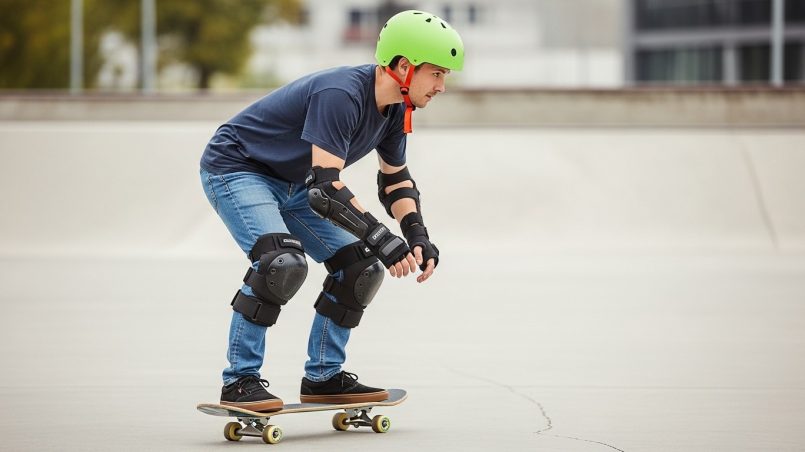
A complete skate safety gear setup is a system of protective equipment designed to reduce injury risk while skating. It includes a certified helmet, wrist guards, knee pads, elbow pads, and optional impact protection depending on skating style. For beginners and experienced skaters alike, proper safety gear is not optional—it is a core part of skating responsibly.
According to injury data published by the U.S. Consumer Product Safety Commission, over 85,000 skateboarding-related injuries are treated annually, with head injuries accounting for a significant percentage. The majority of severe injuries occur when riders skate without proper protection. This is where helmet safety skating and complete skate gear become critical.
This guide explains how to build a complete skate safety gear setup step by step. It follows real-world usage, product standards, and documented injury prevention data. You will learn what gear you need, how to choose the right fit, and how to adapt your setup based on age, skill level, and skating style.
The goal is simple: skate longer, skate smarter, and reduce unnecessary risk.
Why Is Skate Safety Gear Necessary?
Short answer: Skate safety gear reduces the risk of head trauma, fractures, and joint injuries during falls.
Skating involves balance loss, sudden stops, and unpredictable surfaces. Even experienced skaters fall. The difference between a minor fall and a serious injury often comes down to protective gear.
A 2019 case review published in Clinical Pediatrics found that helmet use reduced the risk of head injury by nearly 60% in action sports. Wrist guards reduced wrist fractures by more than 80% in beginner skaters.
Complete skate gear works as a system. Each item protects a high-impact area:
- Helmets protect the skull and brain
- Wrist guards prevent fractures and sprains
- Knee pads absorb forward fall impact
- Elbow pads reduce joint trauma
Skipping one piece increases risk. Using low-quality gear reduces protection. A complete setup solves both problems.
What Does “Helmet Safety Skating” Mean?
Short answer: Helmet safety skating means using a certified, well-fitted helmet designed specifically for skating activities.
Not all helmets are equal. Bike helmets and skate helmets are built differently. Skate helmets cover more of the back and sides of the head. They are designed for multiple low-impact hits rather than a single high-speed crash.
When selecting a helmet for skating, look for these standards:
- ASTM F1492 (skateboard safety standard)
- CPSC certification (consumer safety)
- Multi-impact rating
A proper helmet fit should sit level on the head, cover the forehead, and remain stable when you shake your head. Loose helmets reduce protection.
Real-world data shows that skaters wearing certified helmets experience fewer concussions and skull fractures. Helmet safety skating is not about fear—it is about control.
What Are the Core Components of Complete Skate Gear?
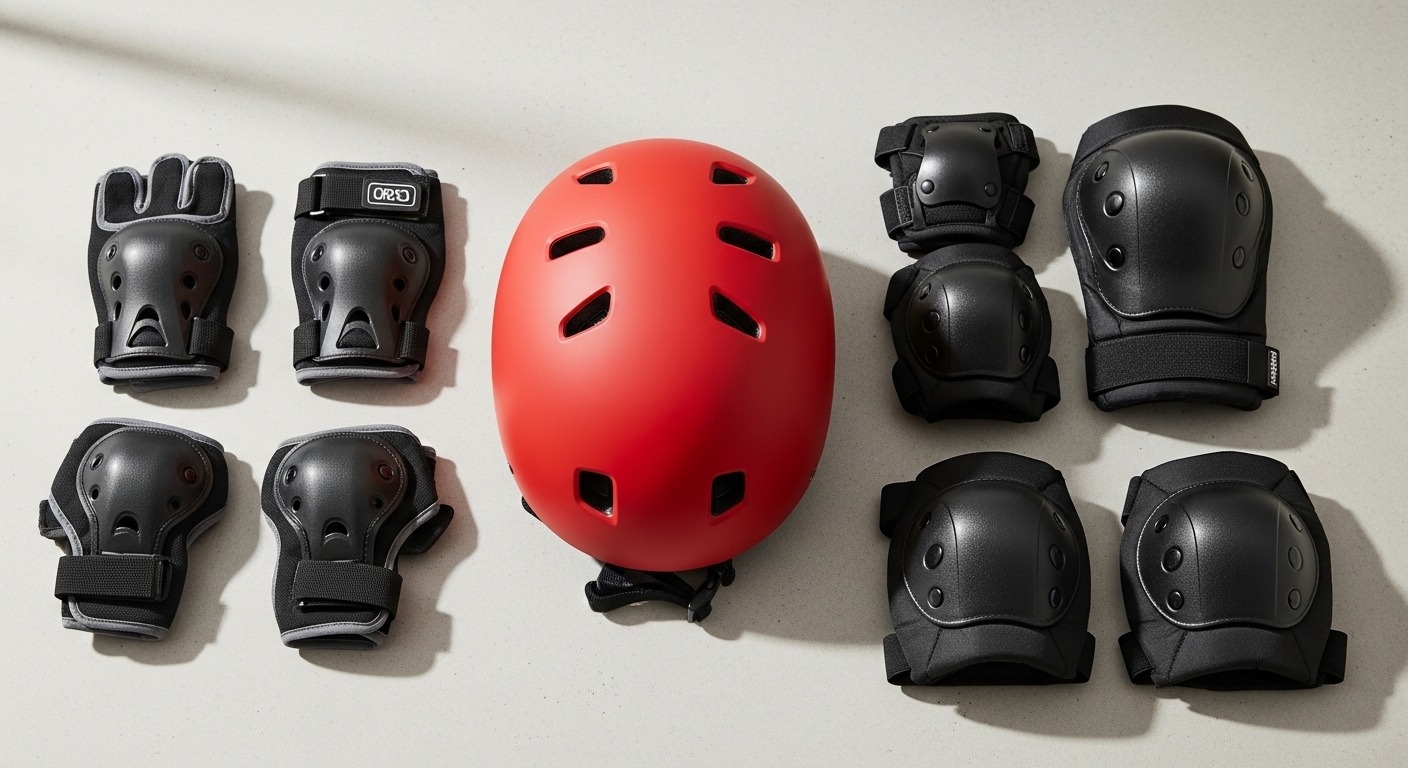
Short answer: A complete skate gear setup includes a helmet, wrist guards, knee pads, and elbow pads.
| Gear Item | Primary Protection Area | Why It Matters |
|---|---|---|
| Helmet | Head and brain | Prevents severe head injury |
| Wrist Guards | Wrists and palms | Reduces fractures during falls |
| Knee Pads | Knees | Absorbs forward fall impact |
| Elbow Pads | Elbows | Protects joints from impact |
This combination covers the most common injury zones reported in skate accidents. Advanced skaters may add padded shorts, shin guards, or ankle braces depending on terrain.
How Do You Choose the Right Skate Helmet?
Short answer: Choose a certified skate helmet that fits snugly, covers the back of the head, and allows airflow.
Helmet selection should be based on head size, skating style, and frequency of use.
Key factors to evaluate:
- Certification labels inside the helmet
- ABS or EPS shell construction
- Ventilation without compromising coverage
- Adjustable fit system
Case studies from skate parks show that poorly fitted helmets often shift during falls, exposing the skull. Proper adjustment reduces this risk.
If a helmet has taken a hard impact, replace it. Microfractures reduce protection even if damage is not visible.
Why Are Wrist Guards Essential for Skaters?
Short answer: Wrist guards prevent fractures caused by instinctive hand placement during falls.
When skaters fall, the hands instinctively reach the ground. This transfers force directly to the wrists.
A study involving beginner skateboarders showed an 87% reduction in wrist injuries when wrist guards were worn consistently.
Effective wrist guards include:
- Rigid palm splints
- Adjustable straps
- Breathable materials
Wrist guards are especially critical for beginners and street skaters who encounter uneven surfaces.
How Do Knee Pads and Elbow Pads Reduce Injury Risk?
Short answer: Knee and elbow pads absorb impact energy and prevent joint trauma.
Forward falls often land on knees. Side falls hit elbows. Pads distribute impact over a larger area.
Look for pads with:
- High-density foam
- Hard plastic caps
- Secure straps that do not slide
In controlled skate park studies, skaters wearing knee pads experienced fewer ligament injuries and abrasions.
Comfort matters. Pads that slide or restrict movement will not be worn consistently.
How Should Skate Safety Gear Fit Properly?
Short answer: Gear should fit snugly without cutting circulation or restricting movement.
Poor fit reduces effectiveness. Too loose, and gear shifts on impact. Too tight, and it causes discomfort.
Fit checklist:
- Helmet does not rock forward or backward
- Wrist guards allow finger movement
- Knee pads stay centered during bends
- Elbow pads do not slide down the arm
Always test fit while moving. Static fit is not enough.
Does Skate Safety Gear Differ for Kids and Adults?
Short answer: Yes, children require lighter gear with adjustable sizing.
Kids grow fast. Adjustable straps and modular padding extend gear lifespan.
Data from pediatric injury reports shows that children wearing full skate gear have significantly fewer emergency visits.
Adults should prioritize durability and multi-impact resistance.
How Does Complete Skate Gear Improve Skill Progression?
Short answer: Safety gear increases confidence and reduces hesitation.
Skaters who feel protected attempt skills more consistently. This leads to faster progression.
Coaching programs report higher learning retention when students wear full protection.
Confidence is not reckless. It is controlled practice supported by protection.
Conclusion: How Do You Build the Right Skate Safety Gear Setup?
Building a complete skate safety gear setup is a practical decision backed by data, not fear. Helmet safety skating protects the most critical area—the head. Wrist guards, knee pads, and elbow pads address the most common injury points.
Skating without proper gear increases injury risk. Skating with incomplete gear creates weak points. A complete skate gear system works together to reduce harm and support long-term progression.
If you skate regularly, invest in certified, well-fitted equipment. Replace damaged gear. Adjust as your skills evolve.
Call to Action: Review your current skate gear today. Upgrade weak or missing pieces. Skate smart. Skate protected.
Frequently Asked Questions About Skate Safety Gear
Do beginners really need full skate safety gear?
Yes. Beginners fall more often. Full gear significantly reduces injury risk during early learning stages.
How often should skate helmets be replaced?
Replace helmets after any major impact or every 3–5 years depending on usage.
Are wrist guards better than gloves?
Yes. Wrist guards provide structural support that gloves cannot.
Can I use bike pads for skating?
Bike pads are not designed for skate impacts. Use gear made specifically for skating.
Is complete skate gear required at skate parks?
Many parks require helmets. Full gear is strongly recommended even if not mandatory.
Does safety gear affect performance?
No. Properly fitted gear supports movement and confidence.
Related Topics: How to Protect Yourself From Dog Bites Effectively
What Next: Mens Mental Health Awareness Month Men Self Care Beyond Fitness