
Gardening brings joy to millions of people every year. You dig in the soil, plant seeds, and watch life grow. Yet weeds always show up and make the work harder. A good garden hoe changes that struggle into easy tasks.
In fact, studies show gardening improves mental and physical health. Researchers found regular gardeners experience lower stress levels and better overall well-being. Moreover, over 50 million U.S. households grow food at home, according to recent trends. These numbers keep rising as more people seek fresh produce and outdoor time.
If you want a tool that excels at weeding without much effort, check out Garden Hoe Review for a standout scuffle hoe option. This guide helps you understand key factors before you buy.
Why a Quality Garden Hoe Matters
Garden hoes do more than remove weeds. They break up soil, create furrows, and mix in compost. A strong hoe saves time and reduces physical strain.
Poor tools bend or break quickly. They force you to work harder and longer. On the other hand, a well-made hoe lasts years and feels comfortable in your hands.
Additionally, the right hoe prevents back pain. Long-handled designs let you stand upright while you work. This simple feature makes gardening enjoyable even after hours outside.
Gardeners who choose quality tools report higher satisfaction. They spend less time fighting equipment and more time growing plants.
Understanding Different Types of Garden Hoes
Garden hoes come in several styles. Each type suits specific tasks. Knowing the differences helps you pick the best one for your needs.
Draw Hoe
The draw hoe features a heavy, flat blade at a right angle to the handle. You pull it toward you to chop weeds and dig trenches.
This classic design handles tough soil well. It excels at hilling potatoes or creating seed rows. However, it requires more strength than other types.
Many gardeners keep a draw hoe for heavy-duty jobs. It proves reliable in clay or compacted ground.
Dutch Hoe (Push Hoe)
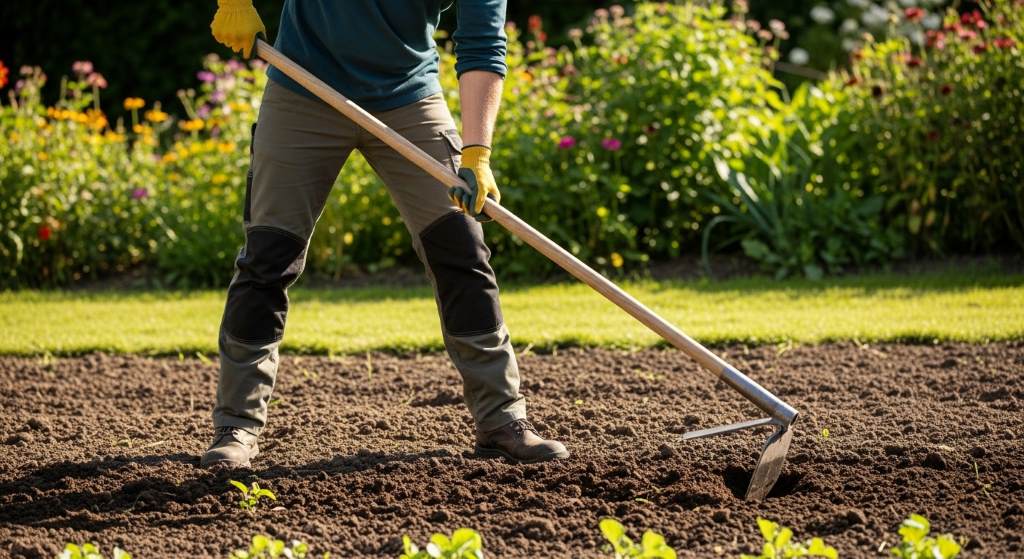
The Dutch hoe has a sharp, flat blade that sits almost parallel to the ground. You push it forward to slice weeds just below the surface.
This action disturbs soil minimally. Roots dry out in the sun while your plants stay safe. Therefore, it works perfectly between rows.
Gardeners love Dutch hoes for large vegetable beds. The motion feels gentle on the body.
Scuffle or Stirrup Hoe
The scuffle hoe, also called a stirrup hoe, moves back and forth. Its looped blade cuts weeds on both push and pull strokes.
This design removes weeds fast with little effort. It covers ground quickly in established gardens. Plus, the oscillating motion reduces fatigue.
Many experts call scuffle hoes the best choice for regular weeding. They shine in loose or mulched soil.
Other Specialized Hoes
Heart-shaped hoes combine drawing and pushing actions. Collinear hoes feature thin blades for precise work in tight spaces.
Warren hoes create narrow furrows for planting. Each specialized tool fills a unique role in the garden.
Consider your main tasks first. Then select the type that matches them best.
Key Features to Evaluate Before Buying
Quality shows in the details. Examine these elements closely when you shop for a garden hoe.
Blade Material and Sharpness
Forged carbon steel offers strength and durability. It holds a sharp edge longer than stamped metal.
Stainless steel resists rust but may bend easier. Look for blades with a beveled edge that arrives ready to use.
Sharp blades cut cleanly through soil and roots. Dull ones drag and demand extra force. Therefore, test the edge if possible.
Coated blades fight rust in wet climates. However, coatings can wear off over time.
Handle Length and Material
Handle length affects posture. Tall gardeners benefit from 60-inch or longer handles.
Standard lengths range from 54 to 60 inches. Shorter handles suit raised beds or close work.
Fiberglass handles stay lightweight and weather-resistant. Ash wood provides natural flex and shock absorption.
Aluminum handles resist rust and remain light. Choose the material that feels best in your grip.
Weight and Balance
A balanced hoe reduces wrist strain. The head should feel secure but not overly heavy.
Most gardeners prefer tools between 2 and 4 pounds. Lighter hoes work well for long sessions.
Heavy heads bite deeper into soil. Yet they tire arms faster. Test the feel before you commit.
Ergonomic Design Elements
Padded grips cushion hands during extended use. Angled necks help maintain neutral wrist position.
Some handles feature oval shapes for better control. Others include non-slip textures for wet conditions.
Long-reach tools prevent constant bending. These designs protect backs and knees effectively.
Ergonomic features make big differences in comfort. They allow you to garden longer without pain.
Related:
The Many Ways of Using Concrete in Your Garden
How to care for the trees in your garden
Common Mistakes Gardeners Make When Choosing a Hoe
New gardeners often pick based on looks alone. They overlook how the tool fits their body and tasks.
Another error involves buying the cheapest option. Low-quality metal bends or snaps under normal use.
Some people ignore handle length. Too-short handles force constant stooping and lead to soreness.
Others forget about soil type. Light hoes struggle in heavy clay while heavy ones exhaust in sandy soil.
Finally, many skip testing the weight. A tool that feels awkward in the store stays awkward at home.
Learn from these mistakes. Take time to evaluate each factor carefully.
How to Test a Garden Hoe Before Purchase
Visit local garden centers whenever possible. Hold several models to compare feel and balance.
Extend your arms naturally. The handle should reach from ground to hip comfortably.
Swing the hoe gently. Notice how the blade moves through air and contacts the floor.
Check connections between head and handle. They should feel solid without wobble.
Ask about return policies. This safety net lets you test at home if needed.
Online buyers should read recent reviews. Look for comments on real-world performance.
Maintenance Tips for Long-Lasting Performance
Proper care extends tool life dramatically. Clean soil off blades after each use.
Dry tools completely before storage. This step prevents rust formation.
Sharpen blades regularly with a mill file. Work at the original bevel angle in smooth strokes.
Apply light oil to metal parts seasonally. This protects against moisture damage.
Store hoes hanging or off the ground. Wood handles benefit from occasional linseed oil treatment.
Tighten any loose ferrules or screws. Small fixes prevent bigger problems later.
Good maintenance keeps your hoe performing like new. It also saves money over time.
Conclusion
Choosing the right garden hoe transforms your gardening experience. Focus on type, materials, ergonomics, and balance for the best results.
Quality tools make weeding efficient and enjoyable. They support better posture and reduce physical strain.
Take time to evaluate options carefully. Your back and plants will thank you.
Ready to upgrade your gardening game? Head to your local store or trusted online retailer today. Pick a hoe that fits your needs and start enjoying smoother, faster work in the garden.
Frequently Asked Questions
What type of garden hoe works best for weeding?
Scuffle or stirrup hoes excel at weeding. Their push-pull action cuts weeds efficiently on both strokes while disturbing soil minimally.
How long should a garden hoe handle be?
Handle length depends on your height. Most adults find 54 to 60 inches comfortable. The handle should reach your hip when standing upright.
Which blade material lasts longest?
Forged carbon steel offers excellent durability. It holds sharp edges well and resists breaking under normal use.
Do ergonomic hoes really prevent back pain?
Yes, they help significantly. Long handles and proper angles reduce bending and twisting motions that strain the back.
How often should I sharpen my garden hoe?
Sharpen after every 10 to 20 hours of use. Regular touch-ups keep cutting easy and prevent extra effort.
References
