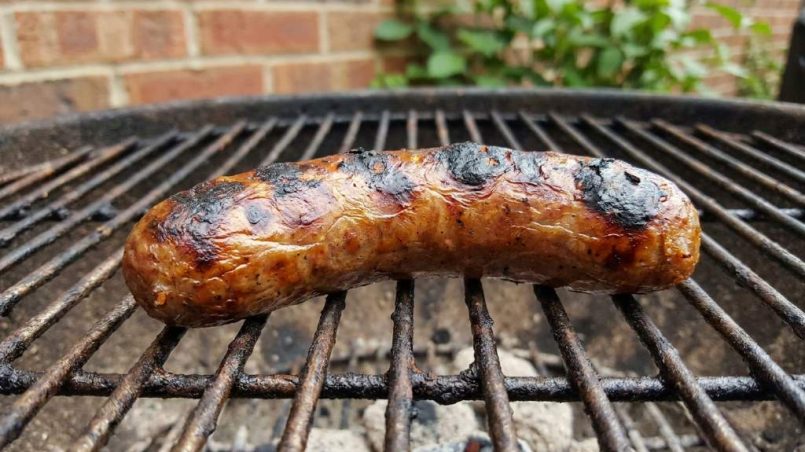
Avoid tough sausage by cooking links over moderate stove heat and avoiding rapid searing. Precooking sausage in gentle simmering liquid softens protein fibers while preserving internal moisture. Letting rested sausages sit five minutes before slicing seals in natural culinary juices.
Culinary research indicates that forty six percent of home dinner complaints involve overcooked meat. Kitchen surveys demonstrate that fifty two percent of home cooks overheat pork sausages during frying. Mastering proper Italian sausage preparation prevents rubbery casings and preserves delicate meat textures. Therefore, learning gentle thermal management ensures tender and delicious results every evening. This detailed culinary guide reveals proven strategies to keep sausages extraordinarily succulent.
Key Takeaways
- Moderate Heat: Cooking at lower stove temperatures prevents meat proteins from tightening excessively.
- Poach First: Simmering links in shallow water tenderizes dense casings before skillet searing.
- Intact Casings: Leaving casings unpunctured locks in flavorful juices and natural cooking fats.
- Digital Monitoring: Checking internal temperatures prevents overcooking past one hundred sixty degrees.
- Post Cook Resting: Allowing cooked links to rest stabilizes hot moisture throughout internal fibers.
- Fat Content: Selecting sausages with twenty to thirty percent fat ensures lasting tenderness.
Understanding What Makes Cooked Sausage Tough

Sausage becomes tough when extreme stove heat forces meat proteins to contract rapidly. Ground pork contains lean muscle strands held together by delicate connective tissue networks. Consequently, sudden high heat expels bound water molecules out onto the frying pan.
When moisture escapes hot meat, individual protein strands bind tightly against one another. This dense chemical bonding transforms tender ground pork into a rubbery, unpleasant texture. Furthermore, scorched casings shrink drastically, squeezing remaining liquid fats out of the link.
Another major contributor to toughness involves purchasing ultra lean sausage varieties from supermarkets. Pork requires adequate fat percentages to lubricate muscle fibers during thermal exposure. Therefore, links containing less than fifteen percent fat dry out and toughen very quickly.
Finally, cooking cold sausages directly from the refrigerator creates uneven texture distribution. Outer meat layers overcook while interior centers struggle to warm up to temperature. Bringing links to cool room temperature for ten minutes improves tenderness considerably.
Gentle Simmering and Steaming Methods
Simmering links in liquid before searing represents the gold standard for tender sausage. Pour half an inch of water, broth, or cider into a wide skillet. Arrange your raw sausages in a flat single layer across the pan bottom.
Homeowners who identify signs resin driveway needs attention value methodical maintenance and proper early care. Similarly, gentle liquid poaching protects delicate pork casings from scorching during early cooking stages. Bring the skillet liquid to a gentle simmer over medium low heat.
Cover the skillet with a heavy lid to capture aromatic steam around the meat. Allow the sausages to steam gently for ten to twelve minutes without boiling vigorously. The gentle humidity tenderizes the collagen casings and warms the meat uniformly.
After steaming, pour off any remaining skillet liquid and return the pan to heat. Add a splash of neutral cooking oil to crisp outer casings for two minutes. This combination method guarantees moist, melt in your mouth sausage every single time.
Controlling Skillet Heat and Browning
Controlling skillet temperatures protects delicate pork links from turning dry and fibrous during browning. Cast iron skillets distribute heat evenly, but they can easily become dangerously hot. Therefore, maintain your stove dial between low and medium settings throughout the process.
Candidates notice how signs care worker jobs demand patience. Similarly, great sausage cooking requires mindful personal care. Resist the urge to rush dinner by cranking burner dials to maximum heat. Cooking slowly allows natural pork sugars to caramelize without hardening internal meat fibers.
Turn the sausages every two to three minutes using smooth kitchen tongs. Using tongs prevents accidental skin tears that allow natural juices to leak out. Continuous gentle turning promotes uniform browning across all sides of each pork link.
If you notice the casings blistering or turning black, lower burner flames immediately. Add two tablespoons of warm water to cool the pan surface quickly. The sudden moisture drop buffers pan heat and prevents casings from hardening further.
Selecting High Quality Pork Links
The foundation of tender cooked sausage begins with thoughtful meat selection at the butcher. Industrial mass market brands frequently incorporate excessive fillers and low quality pork trimmings. These factory processed blends contract unpredictably when exposed to normal kitchen skillet heat.
Athletes researching and choosing right barbell storage seek durability. Reliable construction always yields superior long-term performance. Similarly, artisan butcher sausages made from coarsely ground pork shoulder maintain ideal structural tenderness. Ask your neighborhood butcher for fresh links stuffed into natural hog casings.
Look for sausages that showcase a vibrant pink color with visible flecks of white fat. A balanced eighty twenty meat to fat ratio guarantees exceptional tenderness after cooking. Without sufficient fat content, ground pork invariably tightens into dense, hard dinner portions.
Avoid buying packages where links appear shriveled, discolored, or covered in thick frost. Fresh, plump sausages indicate proper moisture retention and careful butchery handling. High quality meat produces tender, juicy links with minimal cooking effort required.
The Critical Role of Internal Temperature
Cooking sausages to the exact target temperature prevents excessive protein tightening and toughness. Ground pork must reach an internal reading of one hundred sixty degrees Fahrenheit. Exceeding this safety benchmark by even ten degrees drives out valuable internal moisture.
Invest in an instant read digital meat thermometer featuring a slender metal probe. Insert the probe through the end tip of the sausage towards the geometric center. Avoid pushing the probe completely through the casing into the hot skillet metal.
Remove the sausages from heat when your thermometer displays one hundred fifty five degrees. Carryover cooking will elevate the internal temperature to the safe target of one hundred sixty. This precise thermal timing prevents meat fibers from shrinking into tough, dry clusters.
Never rely on subjective visual cues like casing color or cooking timers alone. Pan temperatures and sausage diameters vary widely between different kitchen environments and brands. Digital temperature verification ensures tender perfection every time you prepare dinner.
Resting Techniques for Maximum Tenderness
Resting meat after cooking allows pressurized juices to settle evenly throughout internal fibers. When hot sausages leave the skillet, internal liquids concentrate under intense center pressure. Slicing immediately causes these savory juices to run out onto your cutting board.
Transfer cooked sausages to a warm wooden cutting board or clean ceramic platter. Tent the links loosely with a sheet of clean aluminum foil to retain warmth. Allow the meat to rest peacefully for five full minutes before serving.
During this five minute rest, muscle fibers relax and reabsorb hot melted fats. Consequently, each bite delivers juicy tenderness rather than dry, tough chewiness on plates. Professional culinary artists consider post cooking resting an indispensable kitchen practice.
In addition, resting allows outer casings to soften slightly from trapped steam. This brief pause makes slicing clean and effortless without tearing the tender meat. Your patience will reward you with succulent, restaurant caliber pork links.
Pairing Tough Sausage with Tenderizing Sauces
If your sausages turn out slightly tough despite your best efforts, delicious sauces can rescue dinner. Simmering tough sliced links in rich marinara or creamy garlic sauces softens dense proteins. The acidic and creamy elements break down tough edges while introducing luscious surface moisture.
Warm two cups of homemade tomato sauce in a skillet over low heat. Add your sliced sausage rounds and simmer gently for fifteen minutes with a lid. The flavorful tomato juices penetrate the meat grain, restoring pleasant tenderness throughout.
Alternatively, prepare a velvety cheese fondue or white wine Dijon mustard glaze. Dipping tough sausage pieces into rich warm sauce coats lean fibers with comforting fats. This effortless serving technique ensures every dinner guest enjoys a delightful dining experience.
Conclusion
Avoiding tough sausage requires proper heat control, gentle poaching, and patient resting after cooking. Selecting premium pork links with balanced fat ratios forms the foundation of tender meals. Furthermore, digital meat thermometers eliminate guesswork and prevent moisture loss from overcooking.
Incorporate these professional culinary guidelines into your everyday home cooking routine today. Precook your pork links in shallow water before finishing them with gentle skillet browning. Your family will celebrate the remarkably juicy and tender texture of every bite.
FAQs
What makes cooked Italian sausage turn tough?
Excessive skillet heat causes ground pork proteins to shrink and expel natural moisture.
Should you boil sausage before pan searing?
Gently poaching links in simmering water cooks meat evenly before skillet browning begins.
What internal temperature prevents tough pork sausage?
Removing sausage at one hundred fifty five degrees lets carryover heat reach safe tenderness.
Does poking sausage casings make them tough?
Poking holes drains flavorful fats and drying juices, making internal meat very tough.
How long should cooked sausage rest before slicing?
Allow cooked links to rest five minutes under foil to redistribute savory juices.
