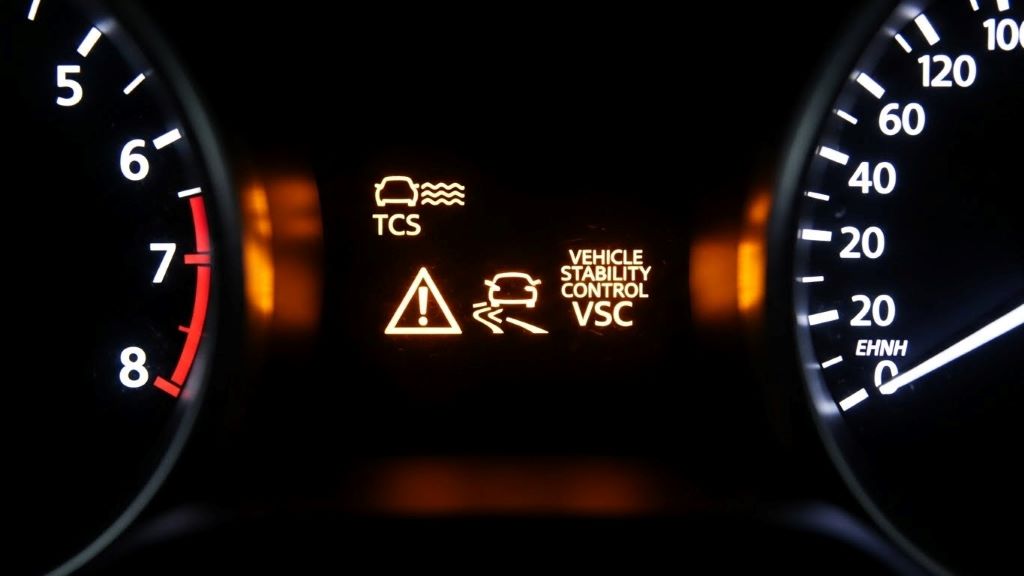
Modern vehicles come equipped with advanced safety systems designed to keep drivers secure on the road. Two of the most important technologies are vehicle dynamic control and traction control. While these systems work together to enhance vehicle stability, they serve distinct purposes and operate differently. Understanding the differences between these two systems can help drivers appreciate how their vehicles protect them during challenging driving conditions.
What Is Traction Control?
Traction control is a safety feature that prevents wheel spin during acceleration. This system monitors the rotational speed of each wheel using sensors. When one or more wheels begin to spin faster than others, the system recognizes a loss of traction. The traction control then reduces engine power or applies brakes to the spinning wheel.
This technology proves particularly useful in slippery conditions. Rain, snow, ice, and loose gravel can all cause wheels to lose grip. Without traction control, drivers might experience wheel spin that makes the vehicle difficult to control. The system automatically intervenes to maintain traction and prevent loss of control during acceleration.
Additionally, traction control helps extend tire life. Excessive wheel spin causes premature tire wear. By preventing unnecessary spinning, the system protects your tires from damage. Most modern vehicles come with traction control as a standard feature, reflecting its importance in vehicle safety.
What Is Vehicle Dynamic Control?
Vehicle dynamic control represents a more comprehensive safety system. This technology goes beyond preventing wheel spin during acceleration. VDC monitors multiple aspects of vehicle behavior, including steering angle, lateral acceleration, and yaw rate. The system constantly compares the driver’s intended direction with the vehicle’s actual movement.
When VDC detects a discrepancy between intended and actual direction, it takes corrective action. The system can apply brakes to individual wheels and reduce engine power. These interventions help stabilize the vehicle and prevent skidding or spinning out of control. Therefore, VDC provides protection during various driving scenarios, not just during acceleration.
This advanced system proves especially valuable during emergency maneuvers. Sharp turns, sudden lane changes, and obstacle avoidance can all destabilize a vehicle. VDC helps maintain control when drivers must make quick decisions. According to the National Highway Traffic Safety Administration, electronic stability control systems like VDC have significantly reduced fatal single-vehicle crashes.
Key Differences Between the Systems
The primary difference lies in scope and functionality. Traction control focuses specifically on preventing wheel spin during acceleration. It addresses a single aspect of vehicle dynamics. In contrast, vehicle dynamic control monitors and manages overall vehicle stability in all driving conditions.
However, the two systems work at different times. Traction control activates primarily when accelerating from a stop or during hard acceleration. VDC operates continuously, monitoring vehicle behavior throughout the entire driving experience. This constant vigilance allows VDC to respond to stability issues whenever they arise.
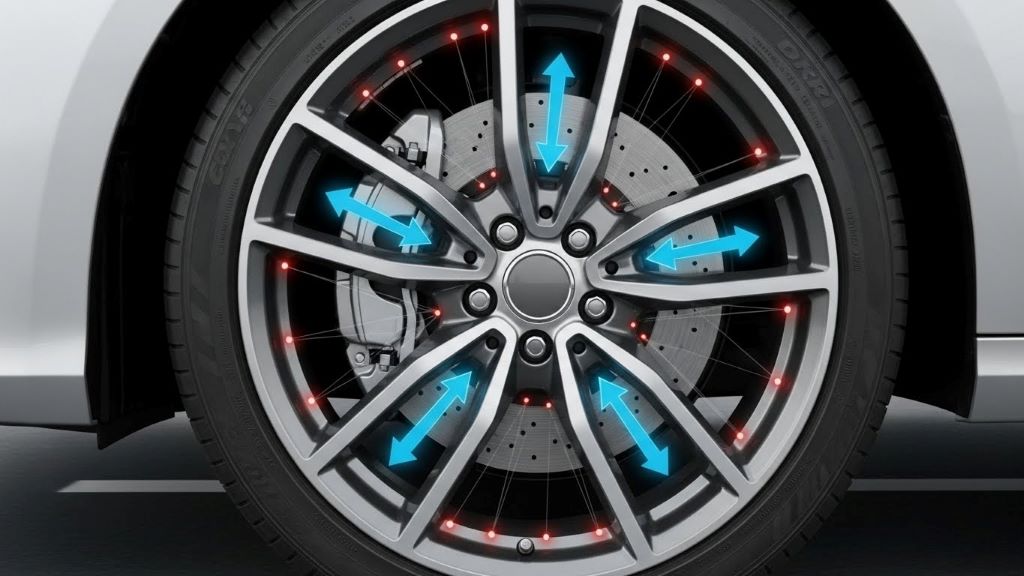
Another important distinction involves the sensors and inputs used. Traction control relies mainly on wheel speed sensors to detect spinning wheels. VDC uses additional sensors, including steering angle sensors, yaw rate sensors, and lateral acceleration sensors. These extra inputs provide a complete picture of vehicle dynamics.
The intervention methods also differ between systems. Traction control typically reduces engine power and applies brakes to spinning wheels. VDC uses more sophisticated interventions, applying brakes to specific wheels based on the type of instability detected. This targeted approach allows VDC to correct both understeer and oversteer conditions.
How the Systems Work Together
Despite their differences, traction control and VDC complement each other perfectly. Many modern vehicles integrate both systems into a unified stability management system. Traction control serves as a component within the broader VDC framework. When you accelerate on slippery surfaces, traction control prevents wheel spin. Meanwhile, VDC monitors overall vehicle stability and intervenes if necessary.
This integration creates a seamless safety net for drivers. The systems share sensor data and coordinate their interventions. For example, if traction control detects wheel spin during acceleration while cornering, VDC can simultaneously manage directional stability. This cooperation ensures optimal vehicle control in complex driving situations.
Additionally, both systems can typically be partially disabled if needed. Some driving situations, such as rocking a vehicle out of deep snow or mud, may require wheel spin. Most vehicles allow drivers to temporarily turn off traction control while keeping VDC active. However, safety experts generally recommend keeping both systems enabled during normal driving.
Real-World Applications and Benefits
Understanding when each system activates helps drivers appreciate their value. Traction control shines during winter driving conditions. When starting from a stop on icy roads, the system prevents wheels from spinning uselessly. This allows smoother acceleration and better control when pulling away from traffic lights or stop signs.
Vehicle dynamic control excels during emergency situations and spirited driving. Imagine encountering an unexpected obstacle on the highway. You swerve quickly to avoid it, potentially destabilizing the vehicle. VDC detects the instability and applies corrective braking to keep you on your intended path. This intervention happens faster than most drivers can react.
Research from Consumer Reports indicates that electronic stability control systems have prevented countless accidents since becoming widespread. The technology has proven especially effective at preventing rollover accidents in SUVs and trucks. These vehicles have higher centers of gravity, making them more prone to tipping during sharp maneuvers.
Furthermore, both systems enhance driver confidence. Knowing that advanced safety features are monitoring vehicle behavior allows drivers to focus on the road. This psychological benefit contributes to safer driving habits and reduced stress in challenging conditions. Nevertheless, drivers should remember that these systems have limits and cannot overcome the laws of physics.
When the Systems Cannot Help
Despite their sophistication, both traction control and VDC have limitations. These systems cannot create traction where none exists. If your tires have no grip on the road surface, even the most advanced electronic systems cannot prevent sliding. This reality underscores the importance of proper tire maintenance and appropriate tire selection for driving conditions.
Excessive speed defeats both systems. While VDC can help manage stability during emergency maneuvers, it cannot compensate for driving too fast for conditions. Physics ultimately determines what is possible. Therefore, drivers must adjust their speed based on road conditions, weather, and visibility.
Worn or damaged tires significantly reduce system effectiveness. Both traction control and VDC rely on tires maintaining some level of grip. Bald tires or those with improper inflation provide inadequate traction. Regular tire inspections and maintenance ensure these safety systems can function as designed.
Maintenance and Considerations
Both systems require minimal maintenance but benefit from regular vehicle servicing. Wheel speed sensors must remain clean and functional. Brake system maintenance ensures that the systems can apply braking force when needed. Additionally, keeping tires properly inflated and in good condition maximizes system effectiveness.
Dashboard warning lights indicate system malfunctions. If the traction control or VDC warning light illuminates and stays on, the vehicle requires professional diagnosis. These systems rely on complex sensor networks and computer controls. Only qualified technicians should attempt repairs to maintain proper functionality.
Some performance enthusiasts prefer driving without electronic intervention. Track driving or competitive motorsports may benefit from disabling these systems. However, for everyday driving on public roads, keeping both systems active provides the safest experience. The technology exists to protect drivers and passengers from preventable accidents.
Conclusion
Vehicle dynamic control and traction control serve different but complementary purposes in modern vehicle safety systems. Traction control prevents wheel spin during acceleration, helping drivers maintain control when starting from stops on slippery surfaces. Vehicle dynamic control provides comprehensive stability management, monitoring overall vehicle behavior and intervening to prevent loss of control during various driving scenarios.
Understanding these differences helps drivers appreciate the sophisticated technology protecting them daily. While traction control addresses a specific issue during acceleration, VDC offers broad protection throughout the driving experience. Together, these systems create multiple layers of safety that have proven effective at preventing accidents. However, drivers must remember that even advanced technology cannot overcome basic physics or replace safe driving practices. Maintaining proper tire condition, adjusting speed for conditions, and remaining attentive behind the wheel remain essential for safe driving.
Frequently Asked Questions
Can I drive safely with traction control turned off?
Driving with traction control disabled is possible but not recommended for normal road conditions. You may need to turn it off temporarily when stuck in deep snow or mud, where wheel spin helps gain momentum. However, for regular driving, keeping traction control active provides important safety benefits, especially in wet or slippery conditions.
Does vehicle dynamic control work on all road surfaces?
Vehicle dynamic control functions on all road surfaces but cannot create traction where none exists. The system works best when tires have some grip available. On extremely slippery surfaces like ice, VDC can help manage stability but has physical limitations. The system is most effective on surfaces with moderate to good traction.
Will these systems prevent all accidents?
No safety system can prevent all accidents. Traction control and VDC significantly reduce certain types of accidents, particularly those involving loss of control. However, they cannot compensate for excessive speed, driver inattention, or mechanical failures. These systems work best as part of comprehensive safe driving practices.
Do these systems affect fuel economy?
Under normal driving conditions, traction control and VDC have minimal impact on fuel economy. The systems only intervene when detecting wheel spin or instability. Occasional interventions use negligible fuel. However, frequent activation in poor driving conditions may slightly reduce fuel efficiency compared to ideal conditions.
Can I add these systems to an older vehicle?
Retrofitting traction control or VDC to older vehicles is extremely difficult and generally impractical. These systems require extensive sensor networks, computer controls, and integration with braking and engine management systems. The cost and complexity of installation typically exceed the vehicle’s value. Upgrading to a newer vehicle with factory-installed systems is more practical.
Related Topics:
