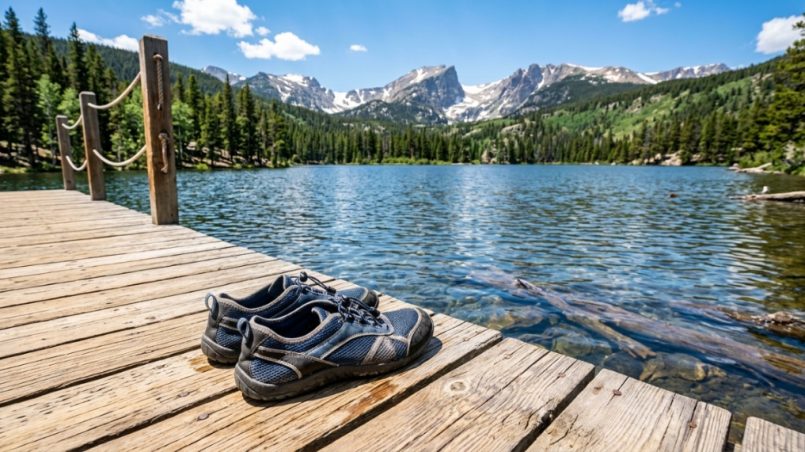
You’re standing at the trailhead near Boulder Creek, ready for a water hike, but the rocky bottom looks unforgiving. Or maybe you’re headed to Horsetooth Reservoir and the boat ramp is burning your feet. The problem is clear: you need protection, but you don’t want to spend $80 on gear you’ll only use a few times a season. The solution lies in finding affordable swim shoes Colorado adventurers actually trust—without sacrificing durability or comfort. This guide cuts through the noise to show you exactly how to find budget-friendly water footwear that handles Rocky Mountain terrain, from river beds to lake shores.
What Makes Swim Shoes Essential for Colorado’s Water Conditions?
Colorado’s aquatic environments are uniquely harsh. Unlike sandy ocean beaches, our lakes and rivers feature jagged granite, slippery shale, and hidden debris. Swim shoes are not a luxury here; they are essential safety gear that prevents cuts, bruises, and falls.
The Rocky Bottom Reality: Why Water Shoes Matter Locally
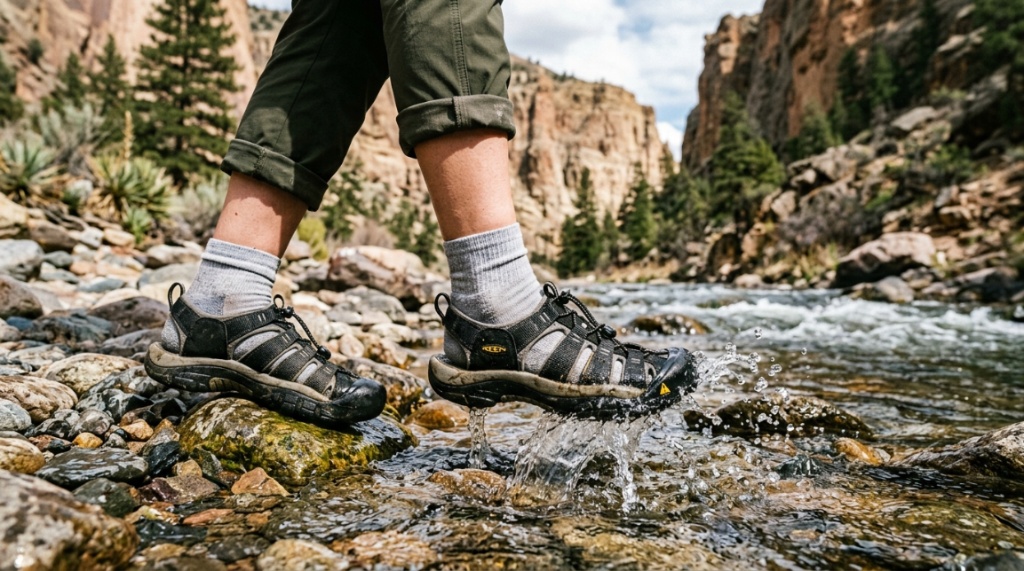
The sediment in Colorado reservoirs and the cobblestone in mountain streams are notoriously sharp. Even experienced hikers get nasty lacerations on their soles when wading without protection. A good pair of swim shoes provides a barrier against these hazards. Moreover, they offer traction on algae-covered rocks, which is a leading cause of injuries in alpine lakes.
Versatility: From Kayak to Shoreline
Locals use these shoes for more than just swimming. They are ideal for launching kayaks at Union Reservoir, walking along the South Platte River, or setting up camp at a sandy beach like Chatfield. A versatile shoe transitions from water to land without needing to change, which is crucial during unpredictable Colorado afternoons.
Protection Against Extreme Temperature Shifts
Mountain water is icy cold even in July. While swim shoes don’t provide thermal insulation, they do prevent the numbness caused by direct contact with cold, wet stone. This helps maintain foot sensitivity and reduces the risk of missteps. For cold-water enthusiasts, they also allow the use of neoprene socks underneath.
How to Choose the Right Type of Swim Shoe for Your Activity?
The best shoe depends on your primary activity. Are you a hardcore kayaker, a casual paddler, or a family swimmer? Selecting the right style ensures you pay only for the features you need, which is the first step in buying affordable gear. Check out these stylish ideas for cooler weather if you are planning a trip after your water adventure Classy Ascot Outfit Ideas for Cooler Weather
Water Socks vs. Aqua Shoes: What’s the Difference?
Water socks are typically made of neoprene or spandex. They are lightweight, packable, and fit like a glove. However, they offer minimal sole protection and are best for pool decks or sandy lake bottoms. Aqua shoes have a sturdier rubber outsole and mesh upper. They are better for rocky trails and river crossings. For Colorado’s rugged terrain, aqua shoes are usually the smarter investment.
Drainage and Drying Speed: The Non-Negotiable Feature
Look for shoes with multiple drainage holes or mesh panels. Water must escape quickly when you exit the water; otherwise, you’ll feel like you’re carrying bricks. Shoes that dry fast also prevent blisters and the growth of odor-causing bacteria. This feature is critical for multi-day trips where you need your gear ready by morning.
Closure Systems: Laces, Straps, or Slip-Ons?
Quick-lace systems or Velcro straps are superior for active water sports because they provide a secure fit that won’t loosen in currents. Slip-ons are convenient for casual swimming but can easily be sucked off your feet in muddy conditions. If you’re rafting the Arkansas River, a secure strap is worth the extra dollar.
Which Materials Offer the Best Durability Without the High Price?
Durability doesn’t always correlate with a high price tag. Understanding materials helps you identify inexpensive options that will last for multiple seasons rather than falling apart after one trip.
Rubber Outsoles: Look for Non-Marking and Grip
The outsole should be made of durable rubber, not foam. Foam compresses and loses traction quickly on wet rocks. Non-marking rubber is essential for boat decks. Check the tread pattern; deep, multi-directional lugs provide better grip on mossy surfaces than flat soles. You can find these features on budget models from brands like Speedo or Magella.
Mesh Uppers: Breathability vs. Sand Protection
Most affordable options use synthetic mesh. This is great for draining water and letting feet breathe. However, if you plan on walking through sandy areas, fine sand will get inside. Some shoes use a denser mesh or a quick-dry lining to minimize grit entry. Weigh your local spots—sandy shorelines versus rocky trails—to decide which compromise you accept.
Midsole Support: Why You Shouldn’t Skip It
Cheap shoes often have flat, flimsy midsoles. For short swims, this is fine. But for hiking into a remote fishing spot like the Dream Lake trail, you need arch support. A shoe with a slightly contoured EVA midsole will reduce foot fatigue and protect your heels from impact on uneven ground.
Where Can You Find Budget-Friendly Swim Shoes in Colorado?
Many local outfitters have sales racks, and online marketplaces often have last-season models. Knowing where to look saves you significant money without forcing you to sacrifice quality.
Local Outlet Stores and Discount Retailers
Places like Sierra Trading Post in Denver or the clearance section at REI often have high-quality water shoes marked down 30-50%. You can physically try them on, which is a massive advantage for fit. Check the “Last Chance” section at Nordstrom Rack in Colorado Springs, too. These stores rotate stock frequently, especially after summer.
Online Deals and Amazon Warehouse
Amazon Warehouse deals (used-like-new) are a goldmine for affordable swim shoes. You can often find returns of premium brands like Astral or Salomon for half the price. Just be sure to read the condition notes. Additionally, setting a price alert on CamelCamelCamel for specific models can notify you when prices drop to historic lows.
Season-End Clearance: Timing Your Purchase
Buying in August or September is the best way to save. Retailers are looking to clear out summer inventory to make room for ski gear. This is when you can find last year’s colors and models at deep discounts. If you can wait until the end of the season, you can buy premium gear for budget prices.
Can You Use Regular Sneakers Instead of Swim Shoes?
No, using regular sneakers for water activities in Colorado is a bad idea. They become heavy when wet, take days to dry, and offer poor traction on submerged surfaces. This leads to discomfort and a high risk of injury.
The Risks of Non-Water Footwear
Regular shoes soak up water and dirt, adding several pounds to your feet. This makes it hard to swim and causes severe chafing. Moreover, the soles on most running shoes are not designed to grip on underwater algae, making falls more likely. They also harbor bacteria for a long time after a single use.
When Sneakers Could Be Acceptable
There is one exception: if you are doing a “packrafting” trip where you are in the boat 90% of the time and only step out on dry sand, lightweight trail runners could work. However, this is a niche case. For any actual stream walking or lake wading, a dedicated swim shoe is safer and more comfortable. Don’t risk a twisted ankle to save $25.
How to Test Swim Shoes for Fit and Performance?
A proper fit is essential. If the shoe is too loose, it will rub and cause blisters; too tight, and it will restrict blood flow in cold water. Always test with the socks you plan to wear.
The “Heel Lock” Test
Put the shoe on and kick your foot forward. Slide your index finger behind your heel. You should have only about a quarter-inch of space. If you can’t get your finger in, they are too small. In water, feet swell slightly, so this small allowance is necessary. If you have more than half an inch, your foot will slip and cause friction.
The Toe Flex Test
The shoe should bend where your toes naturally bend, not in the middle of the arch. Try bending the shoe in half with your hands. If it folds like a taco, it lacks stability. A good water shoe is flexible in the forefoot but firm under the arch. This allows for natural movement while swimming but protects you on roots and rocks.
Checking for Pressure Points
Walk around the store for at least five minutes. Pay attention to the Achilles tendon area and the top of your foot. Mesh uppers often have seams that can dig in. If you feel a hot spot in the store, it will become a blister on the trail. Trust your feet over the tag size.
Why Is Drainage More Important Than Waterproofing?
Many first-time buyers look for “waterproof” shoes. This is a mistake. In Colorado, you want water to flow out quickly, not be kept out. Waterproof materials trap water in, making the shoe heavy and slow to dry.
Understanding Drainage Ports
High-quality water shoes have perforated soles or side vents. These are engineered to let water exit with every step. This pumping action also pulls in fresh, cooler water when you are swimming, preventing the “wetsuit heat” effect. Without these ports, your feet stay in a damp, wrinkled state all day.
The Weight Factor
A shoe that retains water can double in weight. This is exhausting during a long day of hiking. When comparing affordable options, weigh them dry. The lighter shoe usually drains better. A brand name doesn’t matter if the shoe feels like lead bricks after ten minutes in the water.
Quick-Dry Synthetic Linings
Look for shoes lined with polyester or nylon mesh. Avoid cotton-lined shoes. Synthetic linings wick moisture away from the skin and dry within an hour in the sun. This prevents the “squelching” sound that comes after river crossings and keeps your feet warm even when wet.
How to Maintain Your Swim Shoes for Longevity?
Even budget shoes can last multiple seasons if you take care of them. The biggest enemy of water shoes is being left in a damp, dark car trunk where mold grows.
Rinsing with Fresh Water
After a day at the lake, rinse your shoes with clean tap water. Colorado’s lake water often contains silt and minerals that can degrade the rubber. Rinsing removes these abrasive particles. Pay extra attention if you visited a hot spring, as sulfur can eat through fabrics.
Air Drying Methods
Never use a dryer. The heat will melt the glue and deform the rubber. Instead, stuff the toes with newspaper to help them hold their shape and absorb moisture. Place them in the shade, not direct sunlight, as UV rays can crack the rubber over time. They should be dry within 12-24 hours.
Deodorizing and Sanitizing
To prevent mildew smell, spray the inside with a mix of water and white vinegar. This kills bacteria without harsh chemicals. Let them air dry completely. For stubborn odors, sprinkle baking soda inside and leave overnight. This will keep your affordable shoes feeling fresh in the humid environment of a reservoir shore.
Are Expensive Brands Worth the Upgrade for Colorado Terrain?
Premium brands like Astral and Bedrock offer exceptional performance, but they often cost $90-$130. For casual users, the extra cost is rarely justified. However, if your entire summer revolves around whitewater rafting, the investment might be worthwhile.
When Budget Shoes Are Enough
If you are doing gentle lake swimming, dock lines, or paddling a stand-up paddleboard on a calm morning, a pair of affordable swim shoes Colorado residents recommend will suffice. These are typically in the $25-$40 range, which makes replacing them every two years a cost-effective choice.
Specific Features That Justify Spending More
If you are a fly fisherman walking miles into the Gunnison River, consider a higher price for features like sticky rubber compounds (like Vibram) that grip wet granite better. Also, stitched toe caps prevent blowouts on sharp rocks. If you find these features on sale, grab them; otherwise, stick to the budget category.
The “Buy Once, Cry Once” Scenario
For professional river guides or serious hikers who log hundreds of water miles each summer, the durability of a $100 shoe saves money in the long run. They won’t need replacement after one season. But for a family visiting the reservoir for the weekend, cheap shoes are the logical, pragmatic choice.
Frequently Asked Questions
Can I use water shoes in the snow or winter?
No. Water shoes are designed for warm weather and provide no insulation. In winter, they will cause frostbite. Use waterproof winter boots instead.
Do I need to wear socks with swim shoes?
Usually not. Most people prefer barefoot. If you have sensitive skin, wear thin neoprene socks to prevent chafing, but this adds bulk and can make sizing tricky.
How tight should water shoes fit?
They should fit snugly like a glove, with no heel slipping. However, ensure your toes have enough room to wiggle—roughly a thumb’s width from the longest toe to the front.
Will water shoes protect against stingrays or jellyfish?
In Colorado, this is not relevant. They do protect against cuts and punctures from sharp rocks and broken glass at local swimming holes.
Can I put swim shoes in the washing machine?
Yes, but only on a gentle cycle and cold water. Air dry them. Avoid the dryer, as the heat will damage the elastic and rubber. Remove the insoles before washing.
Conclusion
Finding the right footwear for Colorado’s beautiful yet rugged waters doesn’t have to empty your wallet. By focusing on essential features like drainage, rubber outsoles, and a secure fit, you can secure durable shoes that perform well on everything from the sandy shorelines of Boulder Reservoir to the rocky trails near Aspen. Remember to time your purchases during season-end sales and check local discount stores. Prioritize function over brand names, and your feet will thank you. Before you head out, assess your main activity—hiking, swimming, or boating and buy specifically for that use. Don’t wait until you’re at the trailhead with burning feet. Explore the options mentioned above, compare a few pairs, and step into the water with total confidence this summer.