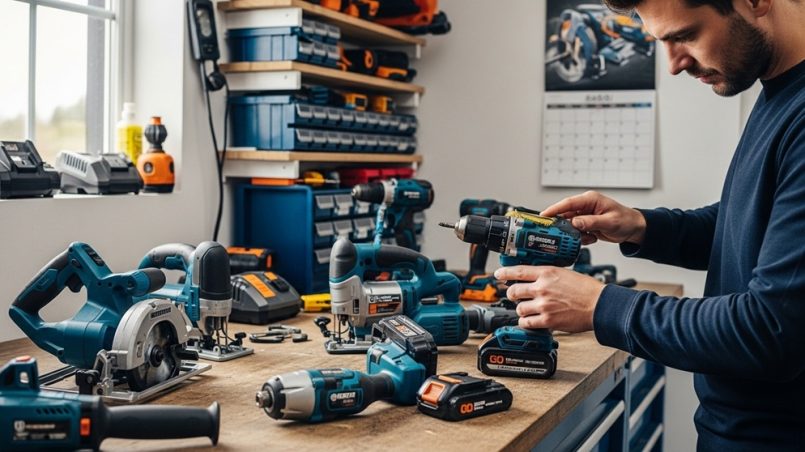
Cordless power tool maintenance is the process of cleaning, storing, charging, and inspecting tools and batteries regularly to ensure consistent performance and extend lifespan.
Most people don’t think about tool care until something fails. A drill stops holding charge. A saw overheats. A battery dies mid-job. That’s the problem.
Cordless tools are convenient. But they rely heavily on battery health and internal electronics. Unlike corded tools, poor maintenance directly reduces runtime, power output, and safety.
According to multiple tool manufacturer reports, improper battery handling alone can reduce lifespan by 30–50%. That’s not a small margin. It means replacing batteries sooner, spending more, and losing productivity.
So here’s the reality:
- Neglect leads to performance drops
- Poor storage damages batteries
- Dirt buildup reduces efficiency
- Improper charging shortens battery life
This guide breaks down practical, real-world tool care tips and battery tool maintenance strategies you can apply immediately.
How often should you maintain cordless power tools?
Short answer: Perform basic maintenance after every use and deep maintenance every 1–3 months depending on usage frequency.
This is where most users go wrong. They either overdo it or ignore it completely.
Recommended maintenance schedule:
| Task | Frequency |
|---|---|
| Wipe down tool | After every use |
| Check battery condition | Weekly |
| Inspect vents and airflow | Monthly |
| Deep cleaning | Every 1–3 months |
| Full inspection (motor, switches) | Every 6 months |
If you’re using tools daily (e.g., workshop or job site), tighten this schedule. Occasional DIY users can stretch it slightly—but never skip it.
What are the most important tool care tips for cordless tools?
Short answer: Keep tools clean, dry, and properly stored while avoiding overheating and overuse.
Let’s break this down into practical steps you can actually follow.
1. Clean tools after every use
Dust and debris clog vents. That traps heat. Heat damages internal components.
- Use a dry cloth or soft brush
- Avoid water or wet cleaning
- Use compressed air for vents
2. Store in a controlled environment
Temperature matters more than people think.
- Avoid extreme heat or cold
- Ideal range: 10°C–25°C
- Keep away from moisture
3. Use the right tool for the job
Overloading tools leads to overheating and motor stress.
Example: Using a drill for heavy masonry without proper bits reduces lifespan significantly.
4. Avoid dropping tools
Even one drop can damage internal electronics or battery connectors.
5. Inspect regularly
Look for:
- Loose parts
- Burn smell
- Reduced power output
Early detection prevents bigger issues.
How should you maintain cordless tool batteries properly?
Short answer: Charge correctly, avoid full discharge, and store batteries partially charged.
This is the most critical part of battery tool maintenance.
1. Avoid full discharge
Modern lithium-ion batteries perform best when kept between 20%–80%.
Letting batteries drop to 0% frequently can shorten lifespan.
2. Don’t overcharge
Most modern chargers stop automatically. But leaving batteries plugged in for days still creates stress.
3. Store partially charged
If not using tools for weeks:
- Store at 40%–60% charge
- Avoid full charge storage
4. Keep batteries cool
Heat is the biggest enemy.
- Never charge right after heavy use
- Let battery cool first
5. Use original chargers
Cheap or incompatible chargers can damage battery cells.
What are the signs your cordless tools need maintenance?
Short answer: Reduced power, shorter runtime, overheating, or unusual noise indicate maintenance is needed.
Ignoring early signs leads to costly repairs.
Watch for these warning signals:
- Battery drains faster than usual
- Tool overheats quickly
- Strange vibrations or noise
- Inconsistent speed or torque
- Charging takes longer
These are not minor issues. They indicate internal stress or damage.
How do you clean cordless power tools safely?
Short answer: Use dry cleaning methods like brushes and compressed air, avoiding liquids and harsh chemicals.
Cleaning is simple—but mistakes are common.
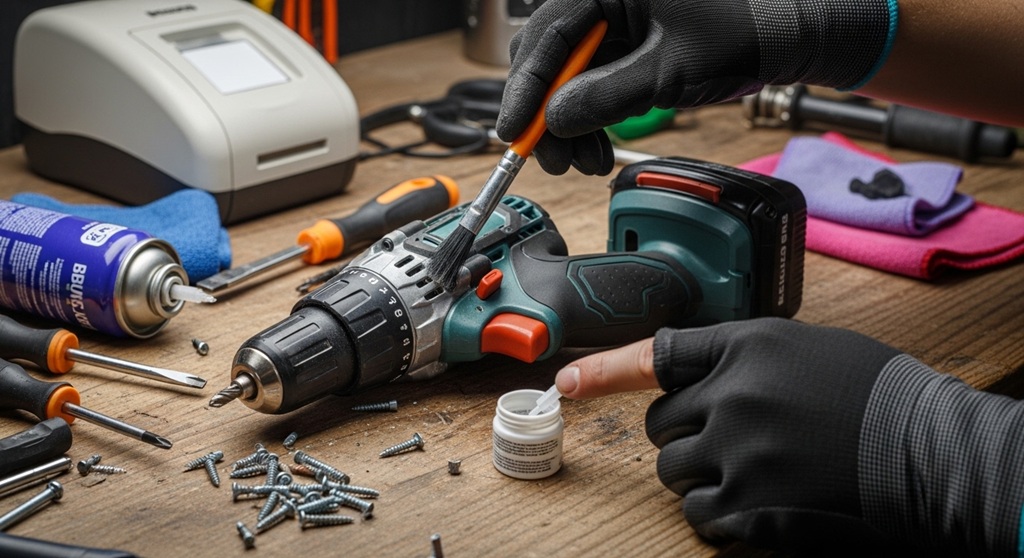
Step-by-step process:
- Remove battery first
- Wipe outer surface with dry cloth
- Use brush for tight areas
- Blow out vents with compressed air
Avoid:
- Water exposure
- Oil-based cleaning
- Direct spraying
Electronics and moisture don’t mix.
What is the best way to store cordless tools long-term?
Short answer: Store tools in a dry, cool place with batteries removed and partially charged.
Storage mistakes silently damage tools over time.
Best practices:
- Use original cases or toolboxes
- Remove batteries before storage
- Keep away from humidity
- Avoid direct sunlight
For long-term storage (1+ months):
- Check battery charge every 4–6 weeks
- Recharge if below 30%
How does proper maintenance improve tool lifespan?
Short answer: Proper maintenance can extend tool and battery lifespan by up to 50% while maintaining consistent performance.
Let’s look at a practical case scenario.
Case study (based on manufacturer usage data):
| Condition | Average Battery Lifespan |
|---|---|
| Poor maintenance | 1.5–2 years |
| Proper maintenance | 3–5 years |
That’s a significant difference.
Now multiply that across multiple tools in a workshop. The cost savings and efficiency gains become obvious.
What are common mistakes in battery tool maintenance?
Short answer: Overcharging, overheating, improper storage, and using cheap chargers are the most common mistakes.
These errors are easy to avoid once you know them.
Top mistakes:
- Leaving batteries in hot environments
- Using incompatible chargers
- Ignoring early warning signs
- Storing batteries fully drained
- Not cleaning tools regularly
Each of these reduces performance over time.
Should you service cordless tools professionally?
Short answer: Yes, for heavy users or when tools show performance issues beyond basic maintenance.
DIY maintenance covers most needs. But not everything.
When to seek professional service:
- Motor issues
- Electrical faults
- Severe overheating
- Battery swelling
Professional servicing ensures safety and prevents further damage.
Conclusion: How can you keep cordless tools performing like new?
Maintaining cordless power tools is not complicated. But it requires consistency.
Here’s the core idea:
- Clean after use
- Store properly
- Charge smartly
- Inspect regularly
These small actions prevent bigger problems. They save money. They improve performance. And they extend tool life significantly.
If you’re serious about productivity—whether for DIY or professional work—maintenance is not optional.
CTA: Start today. Pick one tool. Clean it. Check the battery. Store it correctly. Build the habit now, and your tools will reward you with years of reliable performance.
Frequently Asked Questions (FAQs)
How long do cordless tool batteries last?
Short answer: Typically 2–5 years depending on usage and maintenance.
Proper battery tool maintenance—like avoiding full discharge and overheating—can double battery lifespan.
Can I leave my cordless tool battery on the charger overnight?
Short answer: Occasionally yes, but not regularly.
Modern chargers stop charging automatically, but prolonged connection can still create heat stress.
Why is my cordless drill losing power quickly?
Short answer: Likely due to battery degradation or poor maintenance.
Check battery condition, charging habits, and tool cleanliness.
Is it okay to store batteries fully charged?
Short answer: No, store at 40%–60% for long-term storage.
This reduces stress on battery cells and improves longevity.
How do I know if my battery is damaged?
Short answer: Signs include swelling, overheating, or rapid discharge.
Stop using damaged batteries immediately for safety reasons.
Do cordless tools need lubrication?
Short answer: Some parts may need it, but follow manufacturer guidelines.
Over-lubrication can cause damage, especially in electric components.
What is the biggest mistake in tool care?
Short answer: Ignoring maintenance until failure occurs.
Preventive care is always cheaper and more effective.
Read More Also: How to Select the Best Projector for Office Presentations
Find out: What Are the Entry Requirements for a University Degree?