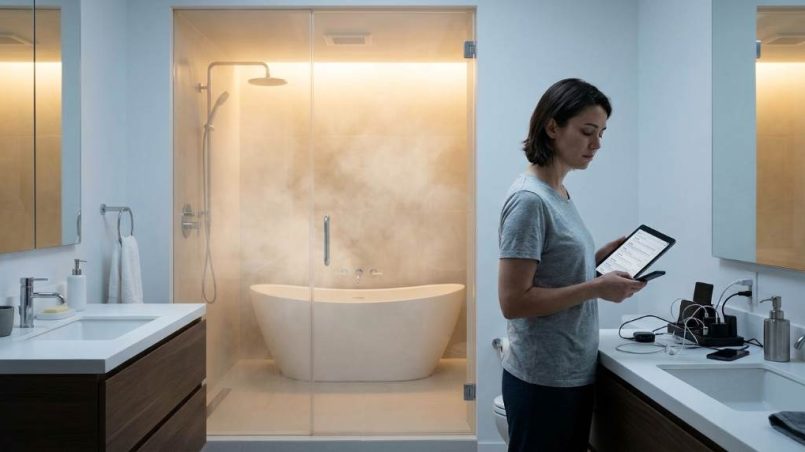
Phoenix homeowners increasingly seek balance in a world filled with screens and constant notifications. Studies show that adults spend more than seven hours daily on screens, while many households report rising digital fatigue. As a result, people now create quiet areas that encourage relaxation and genuine connection. Many residents also explore phone free bathroom ideas as part of a broader wellness strategy. Therefore, tech free spaces have become a practical design trend across Phoenix homes.
Why Tech Free Living Is Growing in Phoenix
Phoenix offers sunshine, outdoor recreation, and a lifestyle focused on well being. However, many residents still spend large portions of their day connected to devices. Consequently, homeowners seek ways to disconnect once they return home. These dedicated areas help reduce mental clutter and support healthier routines.
Technology improves convenience, yet it often creates constant interruptions. Many families notice reduced conversations during meals and less meaningful downtime. As a result, they intentionally design rooms that encourage presence and engagement. This shift reflects a growing desire for balance rather than complete digital avoidance.
Remote work also contributes to this movement. Since many people work from home, personal and professional boundaries often blur together. Therefore, homeowners create spaces where laptops and phones remain outside the room. These areas help establish clear mental separation after work hours.

The Influence of Phoenix Climate on Tech Free Spaces
Phoenix experiences intense summer temperatures for several months each year. Because residents spend more time indoors during extreme heat, home environments play a larger role in daily wellness. Many households carefully plan room layouts, similar to those discussed in things that you need to consider when renovating a bathroom. Thoughtful design creates comfortable spaces that support relaxation and recovery.
Natural light remains a major feature in many local homes. Homeowners often use large windows, shaded courtyards, and soft interior colors. As a result, these environments feel calm without relying on digital entertainment. The design itself becomes a source of comfort and enjoyment.
Additionally, the desert climate encourages slower evening routines indoors. Families frequently gather in reading rooms, patios, or meditation corners after sunset. Therefore, tech free spaces become natural extensions of the local lifestyle. They offer a peaceful alternative to screen based activities.
Mental Health Benefits of Screen Free Areas
Many homeowners prioritize mental wellness when creating technology free zones. Constant alerts can increase stress and reduce concentration throughout the day. In contrast, quiet spaces encourage mindfulness and emotional recovery. Even short breaks from devices can improve overall mood.
People often experience information overload from news feeds and social platforms. Consequently, their minds receive very little uninterrupted rest. A dedicated retreat space helps reduce this pressure. Furthermore, it creates opportunities for reflection and mental clarity.
Several homeowners report better sleep after limiting device use before bedtime. Blue light exposure often disrupts natural sleep cycles. Therefore, tech free bedrooms remain one of the most popular home design choices. Better sleep frequently leads to improved productivity and emotional stability.
Strengthening Family Connections
Many families create screen free rooms to improve communication. Digital distractions often compete with face to face interaction. As a result, meaningful conversations can become less frequent. Dedicated family spaces help restore those valuable moments.
Parents increasingly encourage activities that promote interaction and creativity. Board games, reading sessions, and shared hobbies become more common in these areas. Consequently, family members spend more quality time together. The environment naturally supports engagement without requiring strict rules.
Some homeowners even redesign bathrooms and shared spaces to encourage healthier habits. Similar concepts appear in guides about creating the perfect family bathroom. When rooms support family needs, daily routines become smoother and more enjoyable.
Popular Types of Tech Free Spaces
Reading Rooms
Reading rooms remain one of the most common choices. Homeowners add comfortable seating, soft lighting, and book collections. As a result, these spaces encourage focused attention and relaxation. Many residents use them daily for personal growth and stress relief.
Meditation Corners
Meditation spaces require very little square footage. A comfortable chair, floor cushion, and calming décor often provide everything needed. Therefore, even smaller homes can support this concept. Consistent use helps many people manage stress effectively.
Outdoor Courtyards
Phoenix homeowners frequently transform shaded outdoor areas into digital free retreats. Native plants and water features enhance the experience. Moreover, fresh air provides a natural mental reset. These spaces often become favorite gathering spots during cooler months.
Device Free Bedrooms
Bedrooms designed without televisions and phones promote healthier sleep habits. Many residents replace screens with books and calming décor. Consequently, bedtime routines become more relaxing. This simple change often produces noticeable benefits.
A Unique Reason Many Phoenix Residents Choose Tech Free Areas
One uncommon factor involves sensory recovery from air conditioned environments. During summer, residents often move between vehicles, offices, and homes with constant mechanical noise. Over time, this background stimulation can become mentally exhausting. Therefore, some homeowners create quiet rooms focused on sensory rest.
These rooms reduce both digital and environmental stimulation. Soft materials absorb sound while natural textures create visual calm. As a result, occupants experience a deeper sense of relaxation. Few design blogs discuss this connection, yet many homeowners appreciate its value.
Interior designers increasingly recognize sensory wellness as an important consideration. Consequently, homes now include dedicated areas that support mental recovery. These spaces often contain fewer decorative elements and distractions. Simplicity becomes a design feature rather than a limitation.
Design Elements That Make Tech Free Spaces Successful
- Comfortable seating for extended relaxation
- Natural lighting whenever possible
- Indoor plants for visual calm
- Books, journals, or creative materials
- Soft textures and neutral colors
- Minimal electronic devices
- Sound reducing furnishings
Successful spaces focus on intentional simplicity. Homeowners carefully select items that support the room’s purpose. Therefore, every element contributes to comfort and focus. Clutter remains limited to preserve a peaceful atmosphere.
Many people also prioritize healthy indoor environments. For example, moisture control remains important in bathrooms and wellness spaces. Similar concerns appear in discussions about why that mouldy bathroom sealant needs to go. A clean environment supports both physical and mental well being.
Practical Steps to Create a Tech Free Space
Start by selecting a room or corner with limited distractions. Next, define the activities that will take place there. This approach helps guide design decisions effectively. Clear goals often produce better results.
Remove unnecessary electronics from the chosen area. Then introduce comfortable furniture and calming decorative elements. As a result, the space immediately feels different from other rooms. Small changes often create significant impact.
Establish simple household guidelines for the area. Family members should understand its intended purpose. Therefore, consistent use becomes easier over time. Habits gradually strengthen the value of the space.
Finally, evaluate how the room functions after several weeks. Some adjustments may improve comfort or usability. Consequently, the area evolves based on real experience. Long term success often comes through small refinements.
The Future of Home Design in Phoenix
Wellness focused design continues gaining momentum across the housing market. Buyers increasingly value features that support mental and physical health. As a result, tech free spaces may become standard elements in future homes. Developers already recognize growing interest in this trend.
Technology will remain important in daily life. However, homeowners increasingly seek balance instead of constant connectivity. Therefore, dedicated screen free environments offer lasting value. These spaces support healthier lifestyles while improving overall home enjoyment.
Phoenix residents continue adapting their homes to meet changing needs. Wellness, comfort, and intentional living now influence many design decisions. Consequently, technology free spaces represent more than a temporary trend. They reflect a deeper shift toward healthier living.
Conclusion
Phoenix homeowners design tech free spaces because they want better balance, stronger relationships, and improved mental wellness. These rooms provide practical solutions for digital fatigue while supporting healthier daily habits. Moreover, the local climate and lifestyle make such spaces especially valuable. If you are planning a home update, consider creating a dedicated retreat area that encourages relaxation, focus, and genuine connection every day.
FAQs
Why are tech free spaces popular in Phoenix homes?
They help residents reduce digital fatigue and create healthier daily routines.
What is the best room for a tech free space?
A spare room, bedroom, reading nook, or shaded patio works very well.
Do tech free spaces improve sleep quality?
Yes, reducing screen exposure before bedtime often supports better sleep.
Can small homes have tech free areas?
Yes, even a quiet corner can become an effective screen free retreat.
What activities work best in these spaces?
Reading, meditation, journaling, conversation, and creative hobbies are excellent choices.
